
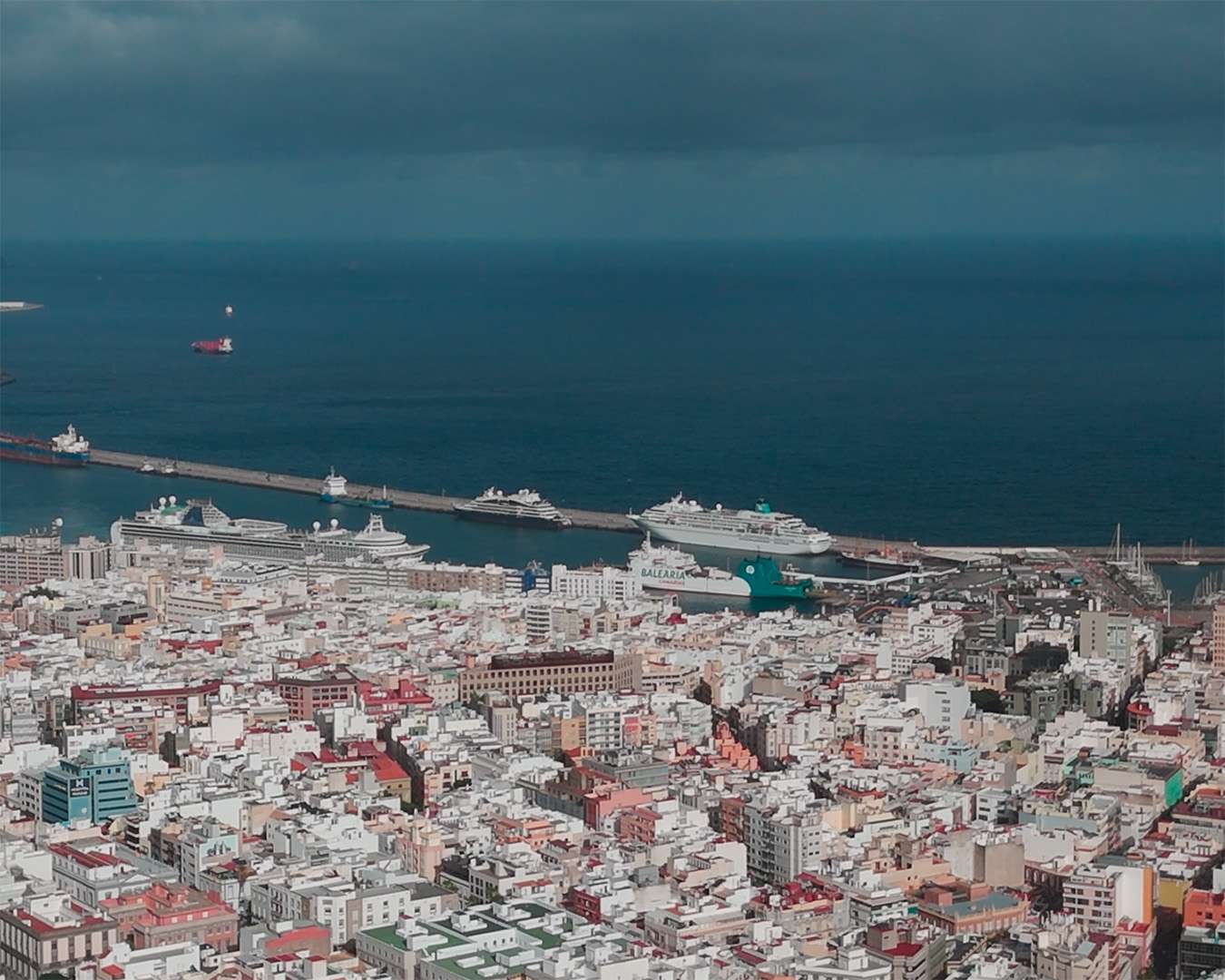
Visited: 25 October 2026, on a call of MS Amadea.
The island tour is the long version of a Tenerife port day: about eight hours including lunch, €69 per person on our ship’s list, from Santa Cruz up into the Cañadas del Teide, down to Icod de los Vinos for the dragon tree, and out at Puerto de la Cruz. It covers the same ground a hire car covers. The difference is that you do not choose where it stops, and it does not go up the cable car.
What does the Tenerife island tour actually cover?
Ours ran like this. A short orientation drive through Santa Cruz, then the motorway past La Laguna, and from there the long climb through the eucalyptus and Canary pine of the Esperanza forest. A first stop at the Ortuño viewpoint, a second at the Mirador La Tarta, then into the Teide National Park as far as La Ruleta, below the mountain. Lunch in a restaurant on the way down, Icod de los Vinos for the dragon tree, a last hour in Puerto de la Cruz, back to the ship.
Eight hours, lunch included. Our call was 08:00 to 23:00, which is a long day in port even by Canary standards, so the tour used about half of it.
The road does one thing that no brochure photograph prepares you for. You start in sun at sea level, climb into the trade-wind cloud somewhere around 600 metres, lose the view entirely for twenty minutes — and then the coach comes out of the top of the weather into blue sky, with the cloud lying below you like a second sea. That transition is the island tour. Everything after it is detail.
Mirador La Tarta: the stop worth the whole drive
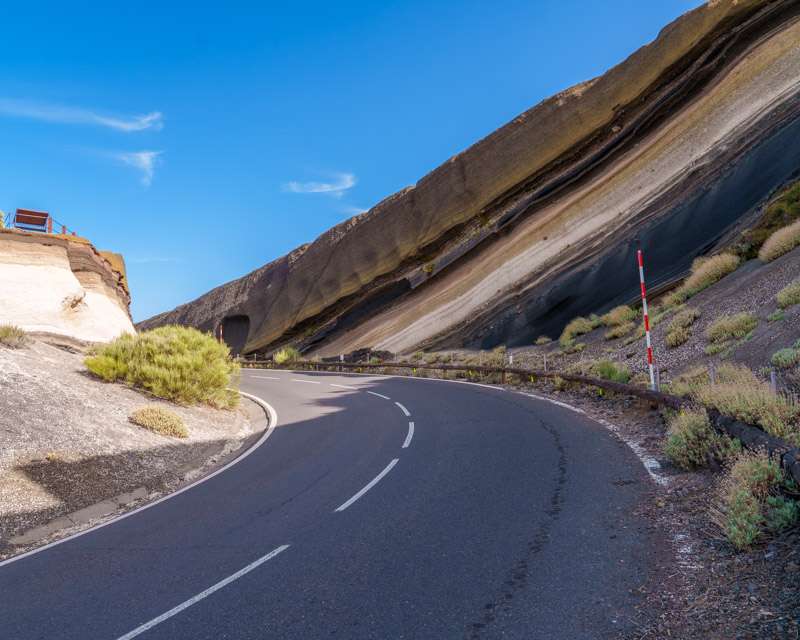
La Tarta means the cake, and the name is literal. Road building here cut into a slope and exposed a cross-section of coloured bands that geologists normally have to dig for. White is pumice. Black is lapilli. Red is the same lapilli, oxidised. Each band is one eruption, stacked in order, readable from the kerb.
It is a five-minute photo stop on every coach itinerary and almost nobody photographs the thing it is named after — the cameras point the other way, at the view. Point them at the cut.
What the brochure gets wrong about Las Cañadas
The excursion description we were handed on board calls Las Cañadas “a primeval crater twelve kilometres across, one of the largest on Earth”. Three claims, and none of them holds.
It is not a crater. A crater is a vent; this is a caldera, a collapse. The summit of an older volcano, the Las Cañadas edifice — which may have stood at or above four thousand metres — came down, and what is left is the hole. It measures roughly sixteen kilometres by nine or ten, depending on where you take the line, not twelve across. And among the world’s large calderas it is a small one: Yellowstone is about seventy kilometres long, more than four times the length of this.
The same page gives the Teide as 3,718 metres. The Spanish national mapping agency gives 3,715. The higher figure is an old survey error that outlived its correction and is still printed everywhere.
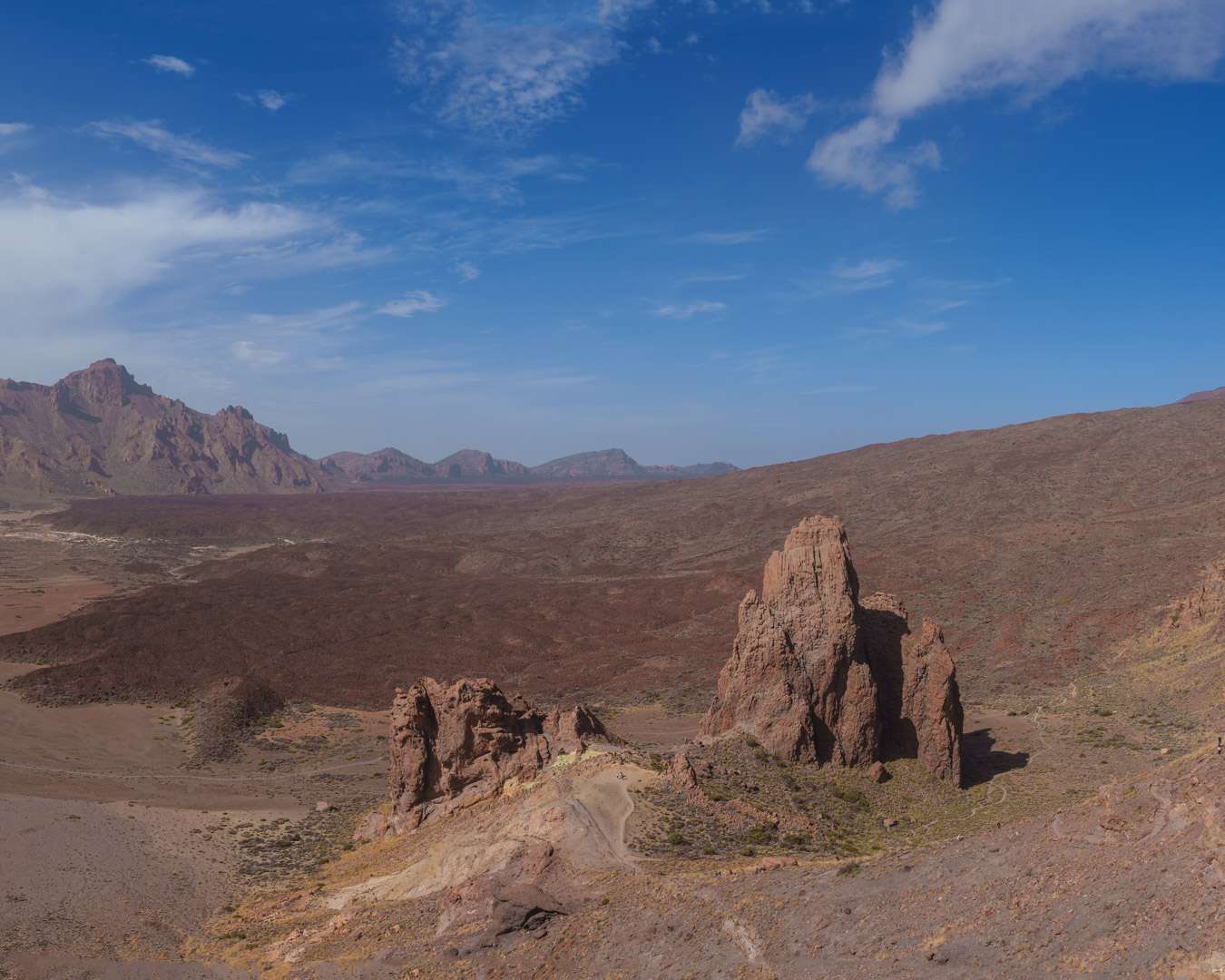
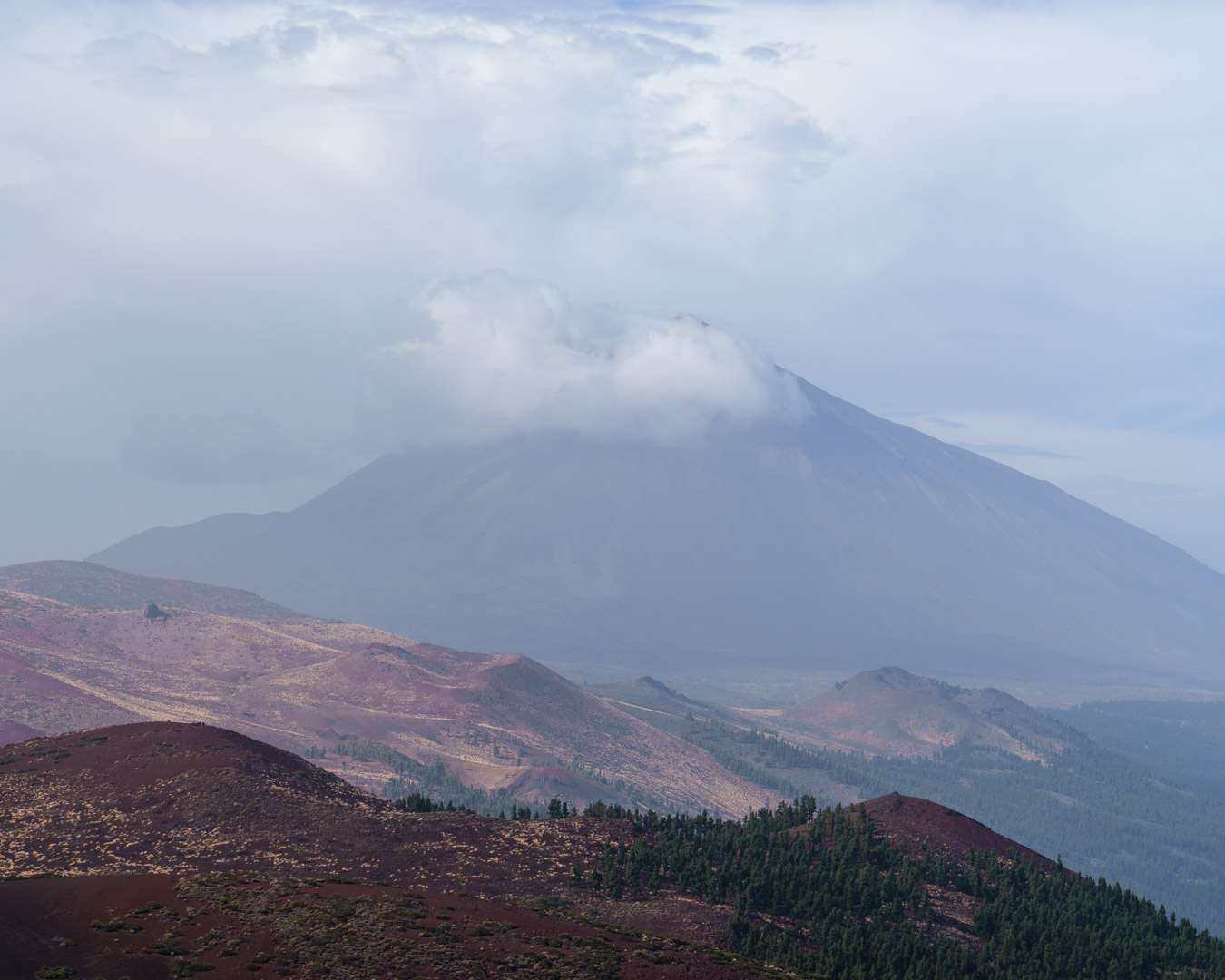
What is genuinely remarkable goes unmentioned. You can see the caldera wall — five hundred metres of it, six hundred at Guajara, standing above the floor you are driving across. And the Teide is younger than the hole it stands in: a new cone built inside the ruin of the old mountain. Measured from the sea floor rather than from sea level it is about 7,500 metres high, which makes it the third tallest volcanic structure on Earth, after two on Hawaii. The summit last erupted around 850 AD, the eruption that laid the black lava on its flanks. The volcano itself is not finished: its most recent eruption was in 1909, from the Chinyero vent on the ridge to the west.
Is Mount Teide worth it from a cruise ship?
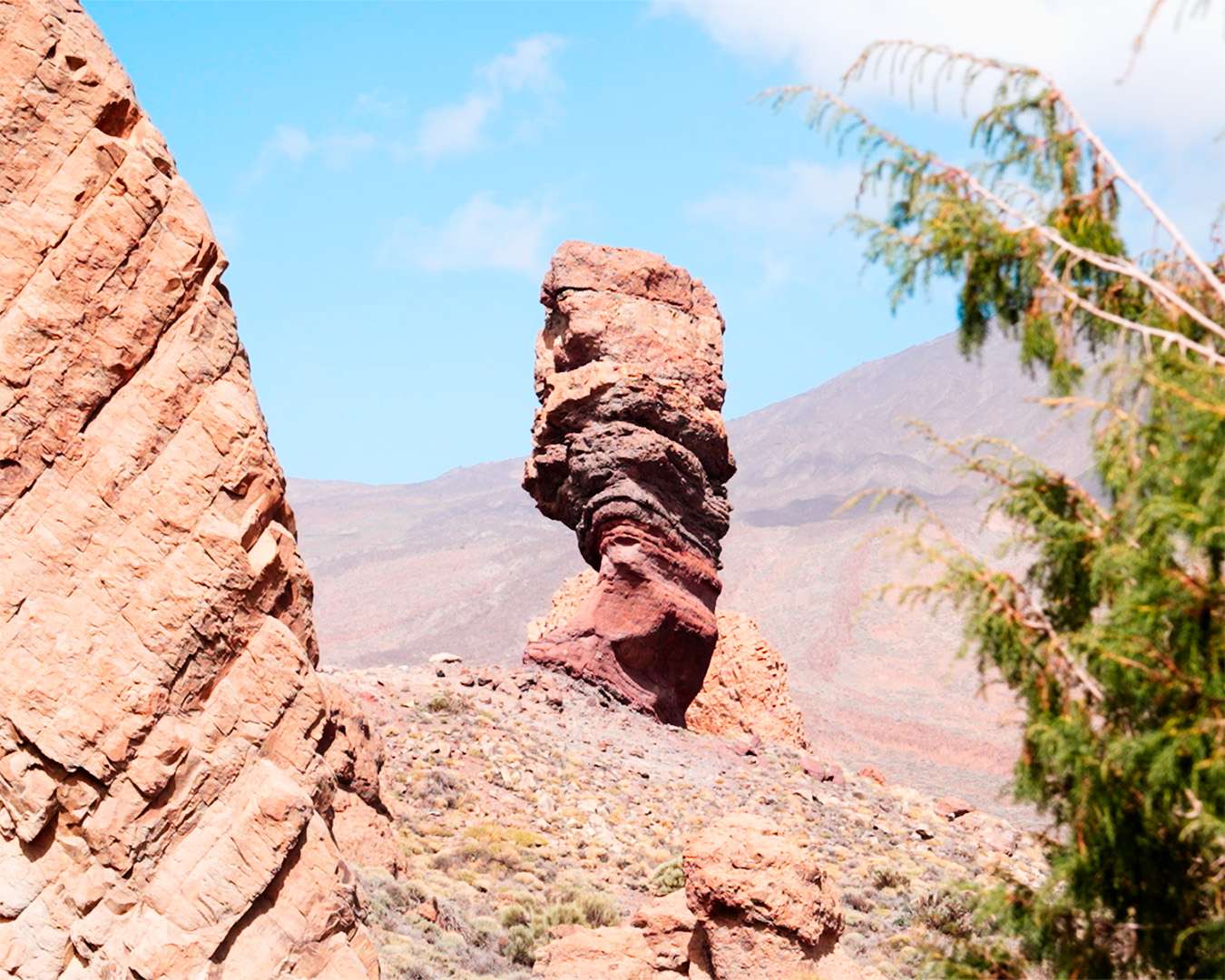
Worth the drive, yes. But be clear about what the ship’s island tour gives you: the mountain seen from the caldera floor at about 2,100 to 2,200 metres, from a car park, for perhaps forty minutes. It does not include the cable car, and there is no time to add it.
If the cable car is the point of your day, the island tour is the wrong excursion. You need your own transport and a ticket booked online in advance — slots sell out days ahead and the cable car closes in strong wind. Going beyond the upper station to the actual summit needs a separate permit, free, issued by the national park and booked months rather than days in advance. Entry to the park itself is free.
Icod de los Vinos: a dragon tree and a tube under the town
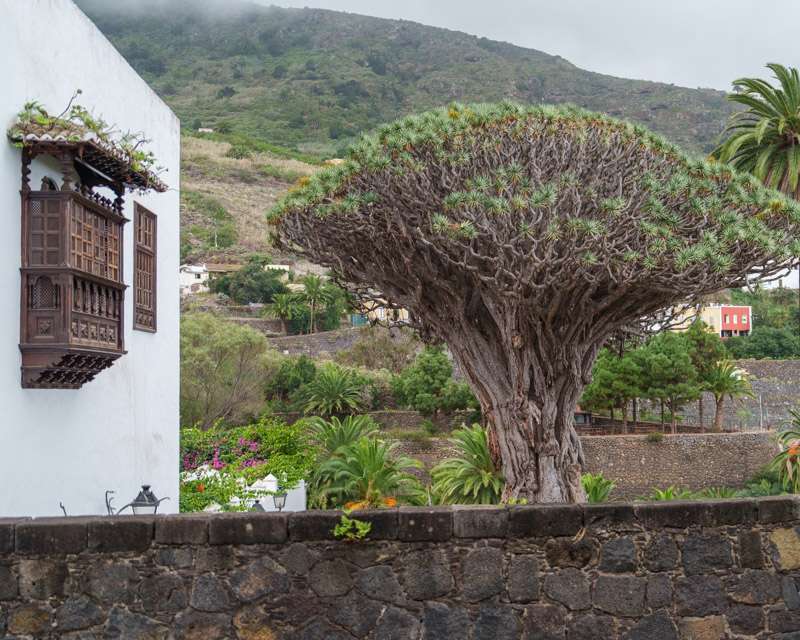
The afternoon stop is the Drago Milenario, the thousand-year dragon tree. Nobody can actually say how old it is. Dragon trees lay down no annual rings — they are closer kin to asparagus than to oaks — so the published estimates run from about 350 years at the sceptical end to around a thousand at the generous one. It was made a national monument in 1917. You can see it free from the square above; the Parque del Drago, which puts you underneath it, charges.
What is under the town is more interesting than what is above it, and no coach tour includes it. The Cueva del Viento is a lava tube roughly eighteen kilometres long, on three levels, formed about 27,000 years ago when liquid lava kept running beneath its own cooled crust. It is the longest lava tube in Europe, and it comes from Pico Viejo — the twin of the mountain you stood in front of at midday. Icod is built on its outflow. Visits are guided only and must be booked in advance: €25 for adults, €8.50 for children from five to twelve, no cash. Allow a couple of hours, which means a hire car day rather than an excursion day.
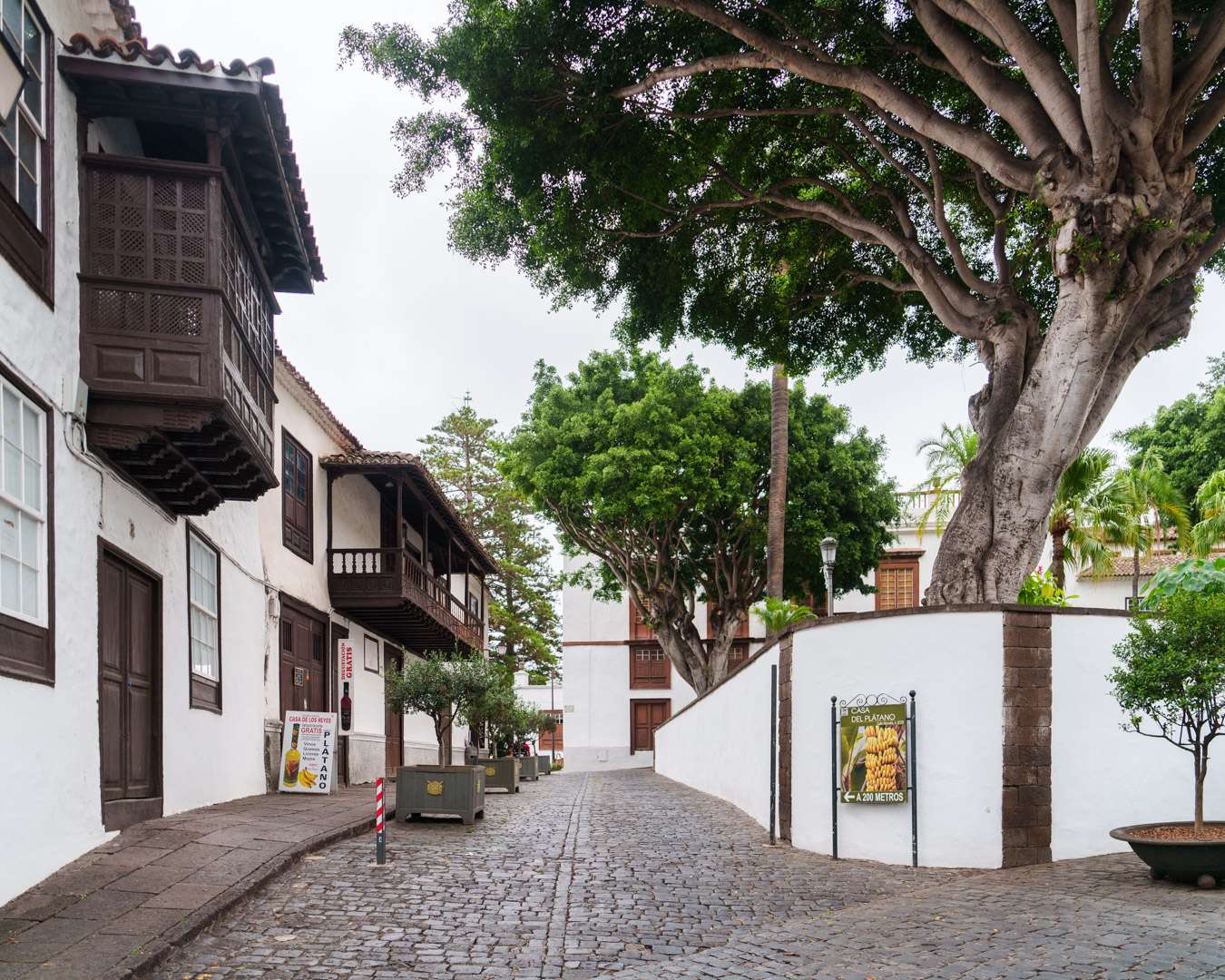
Puerto de la Cruz: where Canary tourism actually began
The last stop is a resort town, and it is easy to write it off as one. It is worth knowing how it got there.
Puerto de la Cruz grew out of someone else’s disaster. In May 1706 an eruption buried the harbour of Garachico, then the most important port on Tenerife, and the trade moved along the coast to here. With the ships came Irish and British merchants, and with the merchants the first travellers. One of them was Alexander von Humboldt, who spent six days on the island in June 1799 and set out from this town for the Teide — the same mountain you looked at before lunch. The place only took its present name in 1808, when it separated from La Orotava; before that it was simply the port of La Orotava.
Then, on 22 December 1890, the Gran Hotel Taoro opened on the hill above the town: the first grand hotel on Tenerife and, by most accounts, in Spain. Canary tourism did not start in the southern resorts. It started here, a century before them.
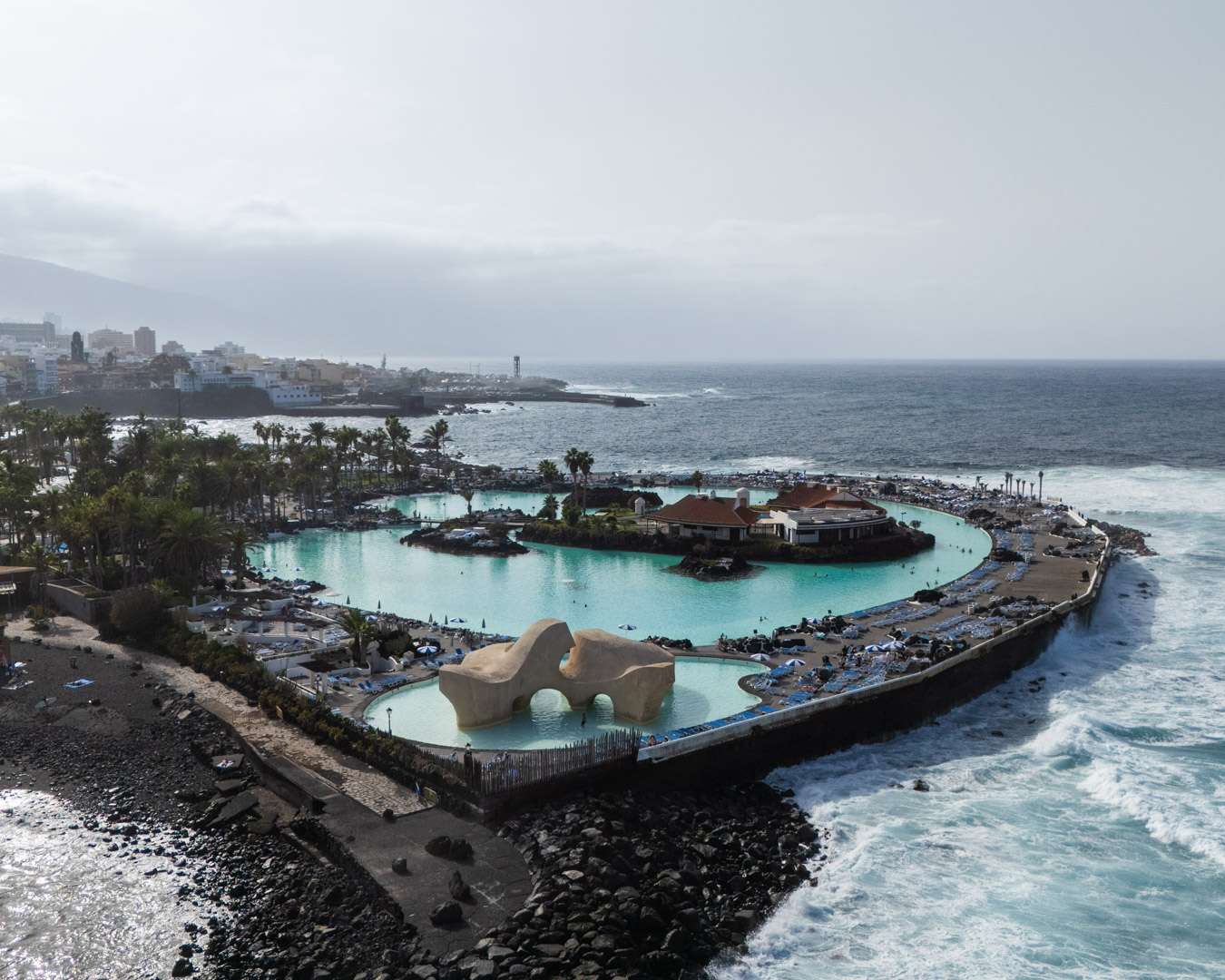
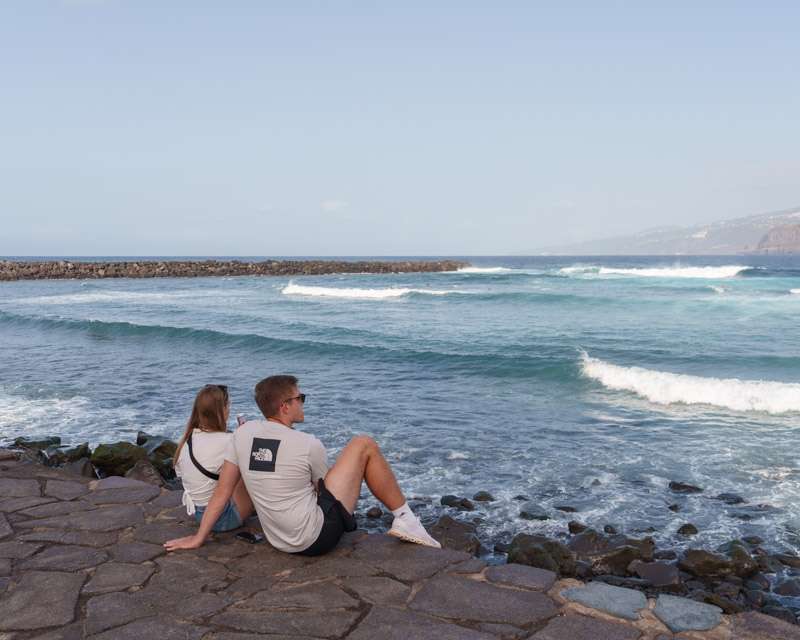
And the sea stays shut. Red flag, north coast, Atlantic swell — the surf comes straight over the rocks. Where the Lago Martiánez seawater pools now lie there were once natural rock basins; César Manrique turned the site into a lido, the first stage opened in 1971 and the lake itself in 1977. The town built a sea you can walk into, because the one in front of it is frequently not available.
How much does it cost?
| Item | Price 2026 | Note |
|---|---|---|
| Ship’s island tour with Cañadas del Teide, approx. 8 hrs incl. lunch | €69 | Phoenix Reisen excursion list for MS Amadea, as at August 2026 |
| Ship’s half day: Icod and Garachico, approx. 4.5 hrs | €39 | Same list — the northern half without the mountain |
| Ship’s half day: La Orotava and Puerto de la Cruz, approx. 4 hrs | €29 | Same list |
| Teide National Park entry | Free | No gate, no booking for the park itself |
| Teide cable car | from €24 | Official site, booked online in advance; closes in high wind |
| Permit for the summit path above the cable car | Free | National park permit, book months ahead |
| Cueva del Viento, guided | €25 / €8.50 child 5–12 | Advance booking, card payment only |
Prices checked for the 2026 season. The ship’s prices are from our own excursion list and will differ between lines.
Tour or on your own?
You can drive up. That is the short answer to the question most people ask. Hire desks sit at and near the port in Santa Cruz, and the park is reached either by the TF-24 over La Esperanza — the road the coach takes — or by the TF-21 through La Orotava. Allow an hour and a quarter to an hour and a half each way, and start early: the coaches arrive in the caldera between eleven and one, and before them the place is almost empty.
Public transport is not a realistic answer here. No TITSA line runs from Santa Cruz into the park. The two buses that do reach it, the 348 from Puerto de la Cruz and the 342 from Costa Adeje, run once a day each and are built around the island’s own rhythm, not a ship’s.
So the honest comparison is €69 a head against a hire car for the day split between however many of you are travelling, plus the nerve to drive a mountain road in cloud. Two people and upwards, the car wins on money and wins outright on freedom — you can stop where the light is, add the cable car with a booked slot, or put the Cueva del Viento in. Alone, or if driving abroad is not something you enjoy, take the coach: the guiding is the part you are paying for, and the road is genuinely demanding above the tree line.
Either way, be back at the pier 45 to 60 minutes before all-aboard. Cloud on the TF-24 slows everything down, and the descent is slower than the climb.
Photo stops and light
The coach stops are at the wrong time of day for the wide landscape — you reach the caldera near midday, under vertical light, and the big view goes flat. Work with that rather than against it.
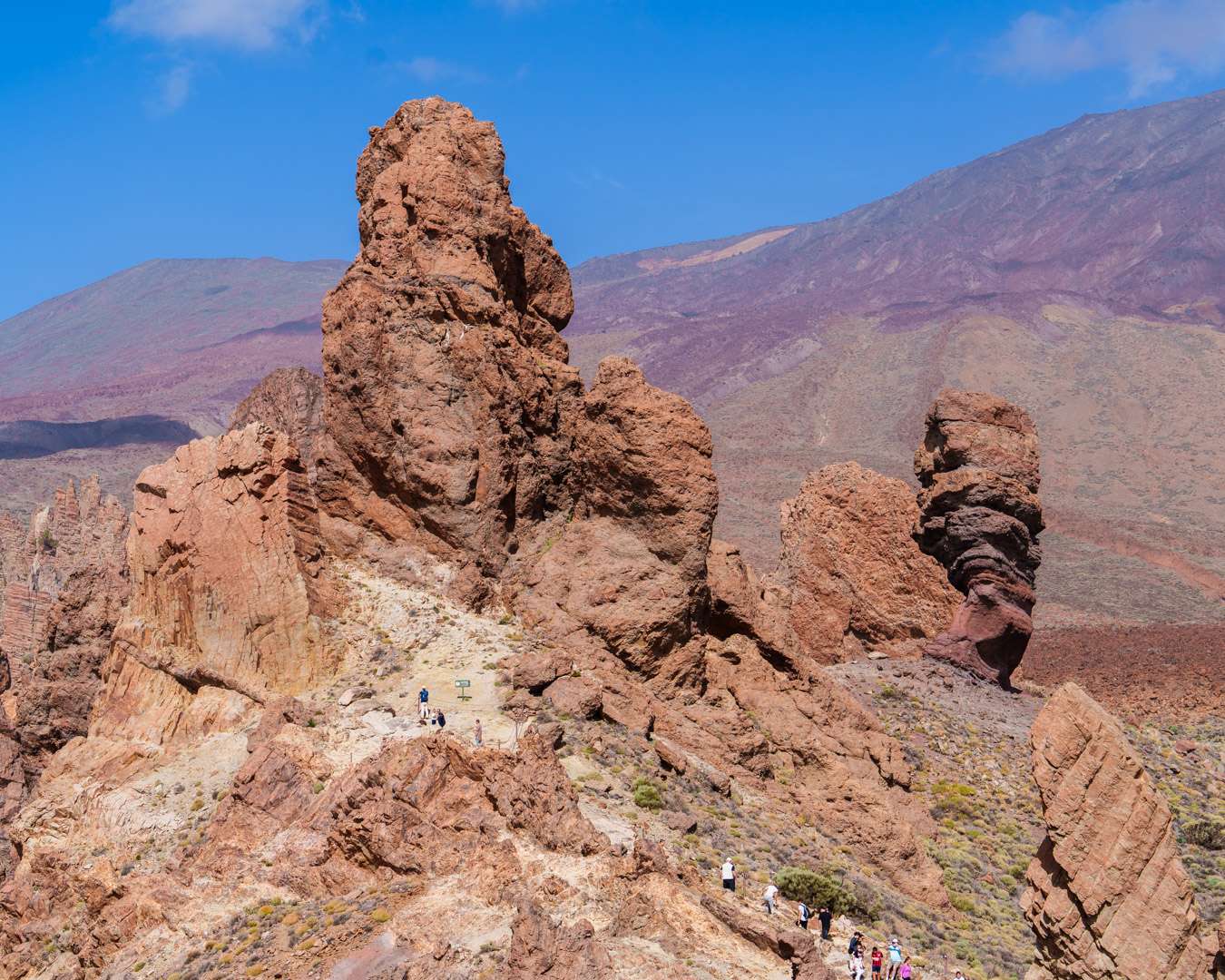
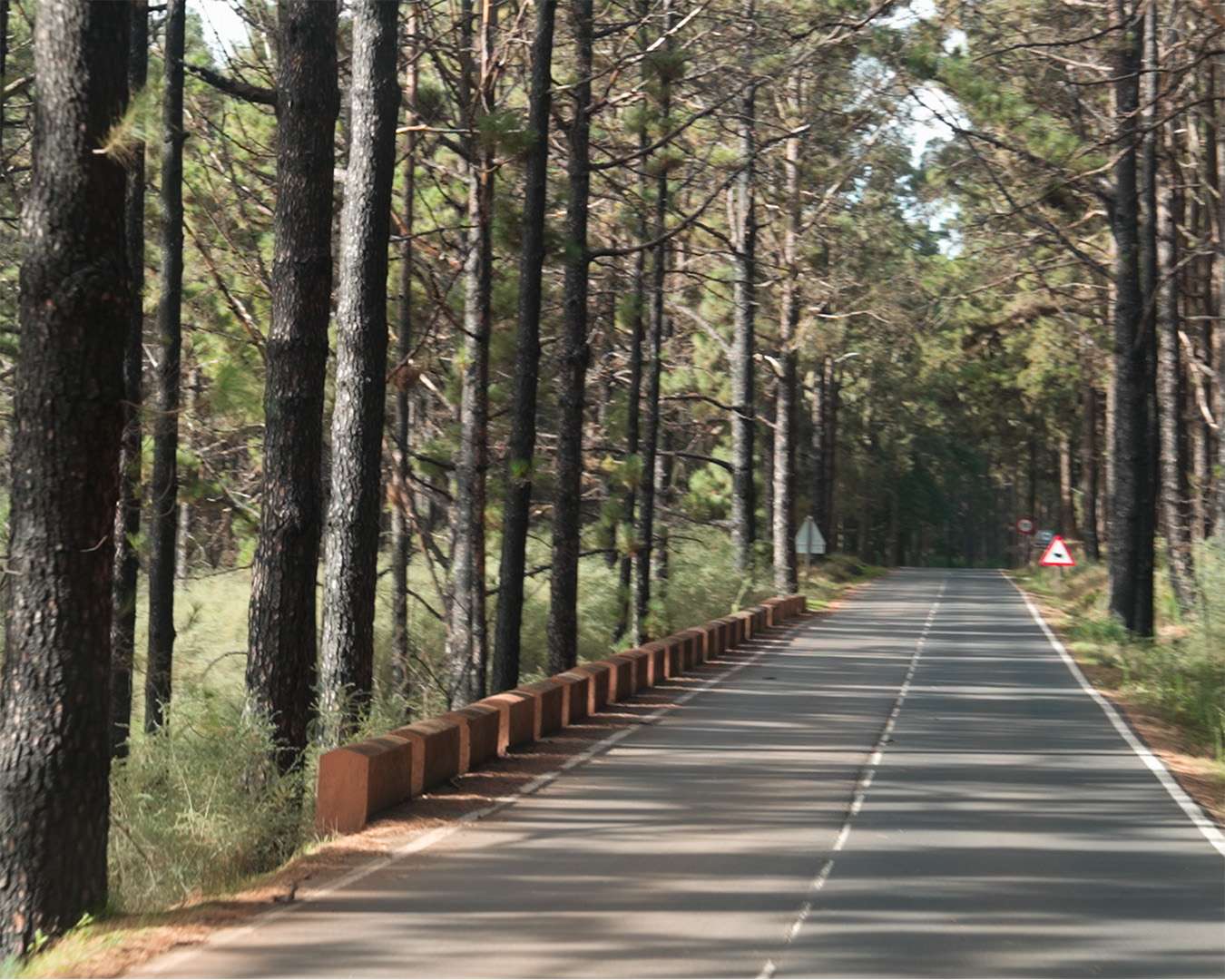
The three pictures worth having from this tour are all close subjects: the layered cut at La Tarta, the red rock towers below La Ruleta with a dark foreground, and the road itself, which coils through the pines with nothing else in the frame. The wide shot of the Teide is better from the north, on the descent towards Icod, when the cone carries cloud on one shoulder.
Puerto de la Cruz is the one place on the route that is better from above than from the pavement — the Lago Martiánez reads as a drawing from the air and as a swimming pool from the ground.
And a note for anyone measuring the climb rather than photographing it: this is a serious road. I have ridden the loop out of Santa Cruz, over the park and back — 186 kilometres and 4,613 metres of ascent. The coach does the first 2,200 of that in an hour and a half, and it still feels like a long way up.
What I would do differently next time
With a call from 08:00 to 23:00, I would skip the organised tour and take a car at seven. Park first, before the coaches: the Cañadas to myself for an hour. Then Icod with a booked slot at the Cueva del Viento, then down the north coast through Garachico, then Puerto de la Cruz in the late afternoon when the light finally comes round onto the sea front. That is the same route the excursion drives, re-ordered so that each place is reached at the hour it looks best — which is the one thing a coach can never do.
Related: Santa Cruz de Tenerife Cruise Port: The Las Raíces Hike · Santa Cruz de La Palma Cruise Port: Is the Green North Worth the Tour? · Porto Santo Cruise Port on Your Own · Cruise Ports on Your Own