
Denmark is a country you meet from the water, and Copenhagen makes that literal: three separate cruise quays, each with its own walk into the city, and a historic centre small enough to cross on foot in half a morning. The articles here are written from days ashore rather than from a week’s holiday — what actually fits between arrival and all-aboard, what a canal tour costs against the ship’s excursion, and where the photographs are. Copenhagen’s set pieces are all within about two kilometres of one another: the Little Mermaid on her rock at Langelinie, the four palaces of Amalienborg with the guard change at noon, Christiansborg with its free tower, and Nyhavn, where most walking tours end. Practical notes on transport tickets, opening hours and the return buffer accompany each piece.
Visited: April 2024, on a call of the expedition ship Hanseatic Nature, alongside from 08:00 to about 18:00
Copenhagen is one of the easiest ports in northern Europe to do without a ship’s excursion — but which day you get depends entirely on the quay. From Nordre Toldbod or Langelinie, the Little Mermaid, Amalienborg and Nyhavn all lie within about two kilometres on foot. From Oceankaj you need a bus and the metro: roughly 20 minutes and DKK 24 each way.
Where does the ship dock in Copenhagen?
There are three cruise quays, and the difference between them is the whole practical question of the day.
Oceankaj (Ocean Quay) in Nordhavn takes the large ships and is the berth most port guides describe. Bus 25, or the year-round 164, runs to Orientkaj metro station; from there the M4 reaches Kongens Nytorv in about 20 minutes in total. A two-zone ticket costs DKK 24.
Langelinie is closer to the centre — about 15 minutes to Kongens Nytorv, walking five minutes to the Indiakaj stop for bus 27 to Østerport, then M3 or M4.
Nordre Toldbod is the smallest and the best placed. It is a 14-minute walk to Marmorkirken metro station, and considerably less than that to most of what visitors actually come for.
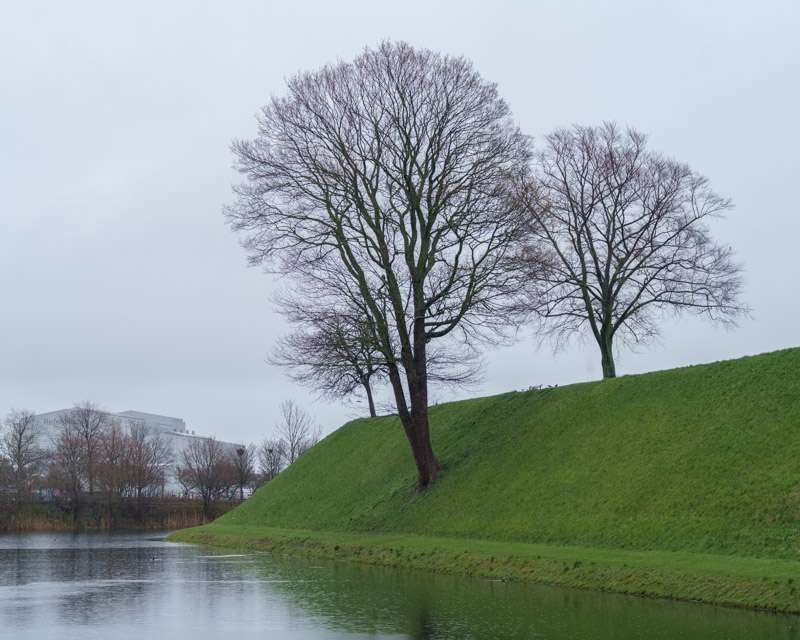
We lay at Nordre Toldbod, alongside, with no tender. It is a short stretch of quay with two pavilions on it — the ones the royal family uses when crossing the harbour to board the yacht Dannebrog — and the Gefion Fountain stands immediately behind the ship. Anders Bundgaard modelled its figures between 1897 and 1899; the basins were finished in 1908 and the fountain first ran on 14 July that year, a gift from the Carlsberg Foundation for the brewery’s fiftieth anniversary. It shows the goddess Gefjon ploughing Zealand out of Sweden with her four sons turned into oxen. Kastellet, the star-shaped fortress, begins a few hundred metres north. If your ship is small enough for this berth, you step off the gangway already inside the sights.
Is Copenhagen worth doing on your own?
Yes, for one specific reason: the sights are strung along a single harbour-side walk. From Nordre Toldbod the Little Mermaid is under ten minutes away, Amalienborg about a quarter of an hour in the other direction, and Nyhavn roughly twenty. Nothing on that route needs a ticket except the canal boat and the palace interiors. The canal tour is the one thing worth paying for, and for anyone carrying a camera it is the best hour in the city.
The canal tour: what it shows and what it costs
Our own morning started on the water. A canal tour is the only way to see Copenhagen’s waterfront in the order it was built, and the boats sit low enough that the bridges feel closer than they are.
Two operators run the standard hour. Netto-Bådene, the blue boats, leave from Nyhavn ved Heibergsgade at DKK 80 per adult, sailing March to October, daily from about 10:00. Stromma‘s classic tour leaves from Nyhavn 3 and from Ved Stranden 26 at DKK 169, or DKK 135 if booked online at least three days ahead from Ved Stranden. From 30 May the first Stromma boat goes at 09:30; outside the high season it is 10:00. Both tours take about an hour.
What passes: the Black Diamond, the Royal Danish Library’s 1999 extension by Schmidt Hammer Lassen, clad in black granite quarried in Zimbabwe and polished in Italy, standing on Slotsholmen at Christians Brygge. Then Christiansborg itself, unusual in housing all three branches of the state at once — the Folketing, the Prime Minister’s Office and the Supreme Court. Its tower is 106 metres, the tallest in Copenhagen, and free to visit: a lift runs to the top, usually from 11:00, and there is often a queue because the platform holds few people.
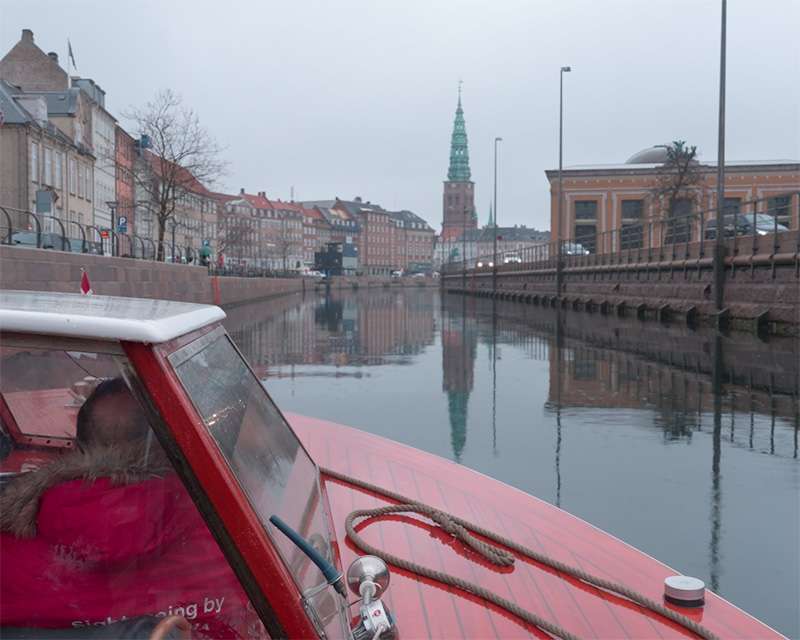
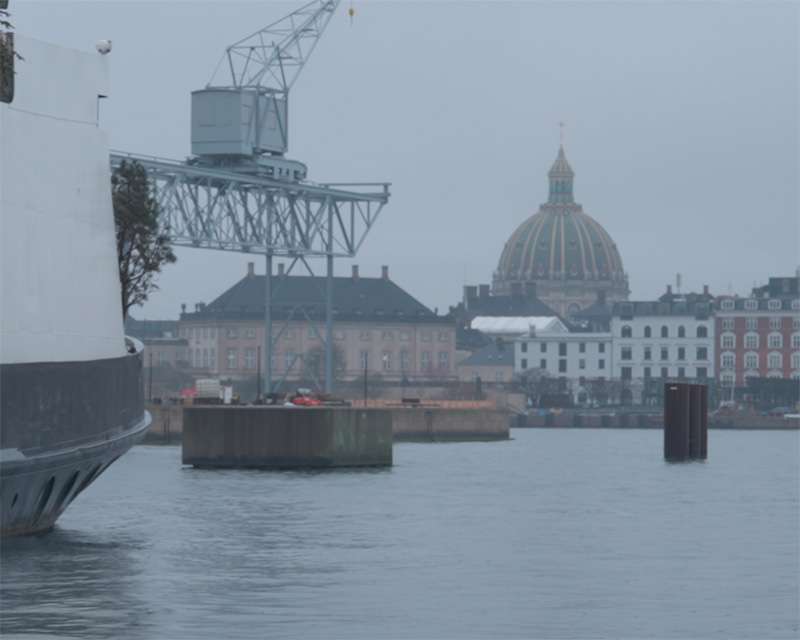
One correction to the notes I made that day: the Maersk Tower is not on this route. It is a University of Copenhagen building on Blegdamsvej in Nørrebro — 75 metres, faced with copper shutters — and it stands well inland. The Maersk you pass from the water is the company’s headquarters at Nordre Toldbod, a few metres from where we were tied up.
The Little Mermaid, and how to photograph her
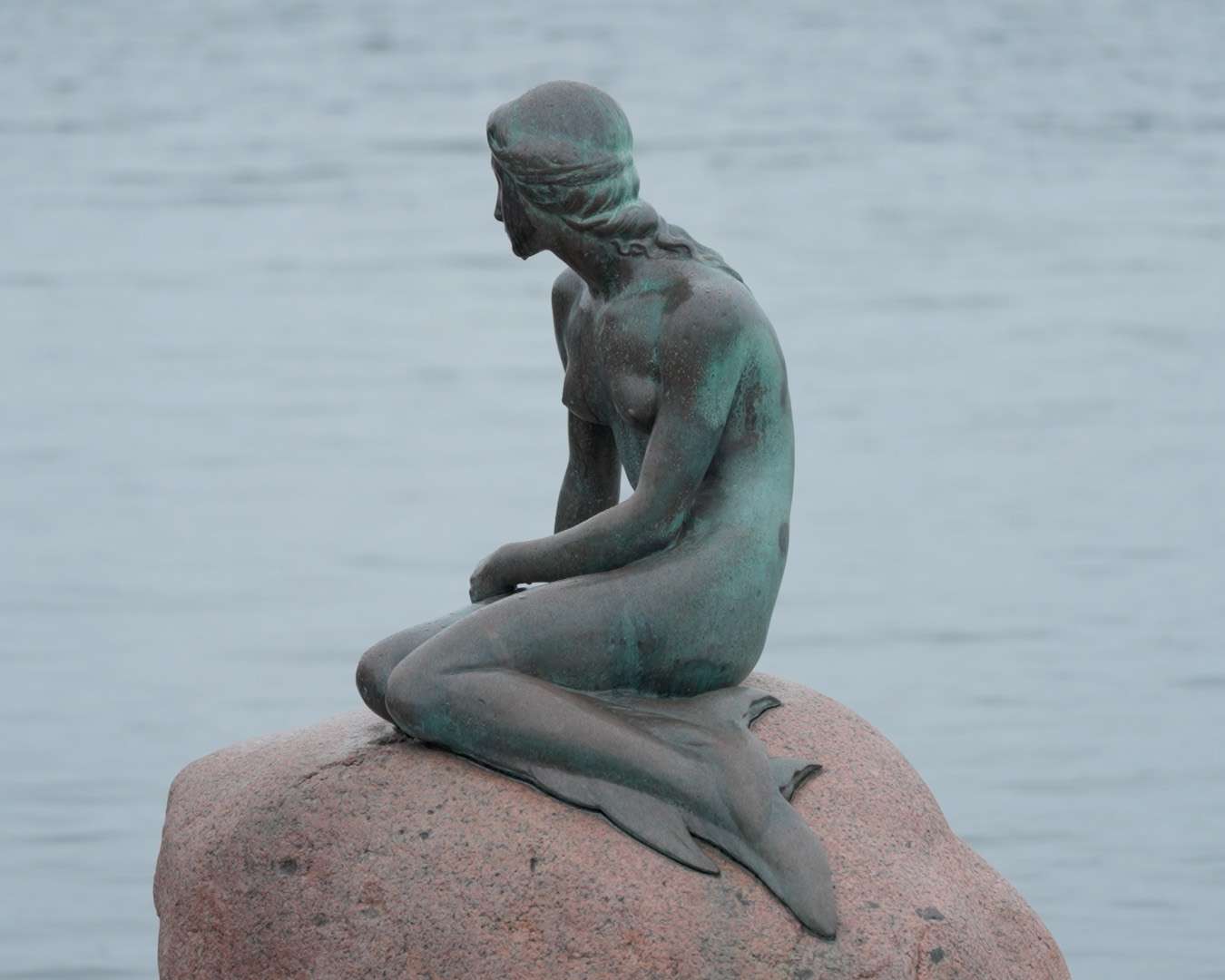
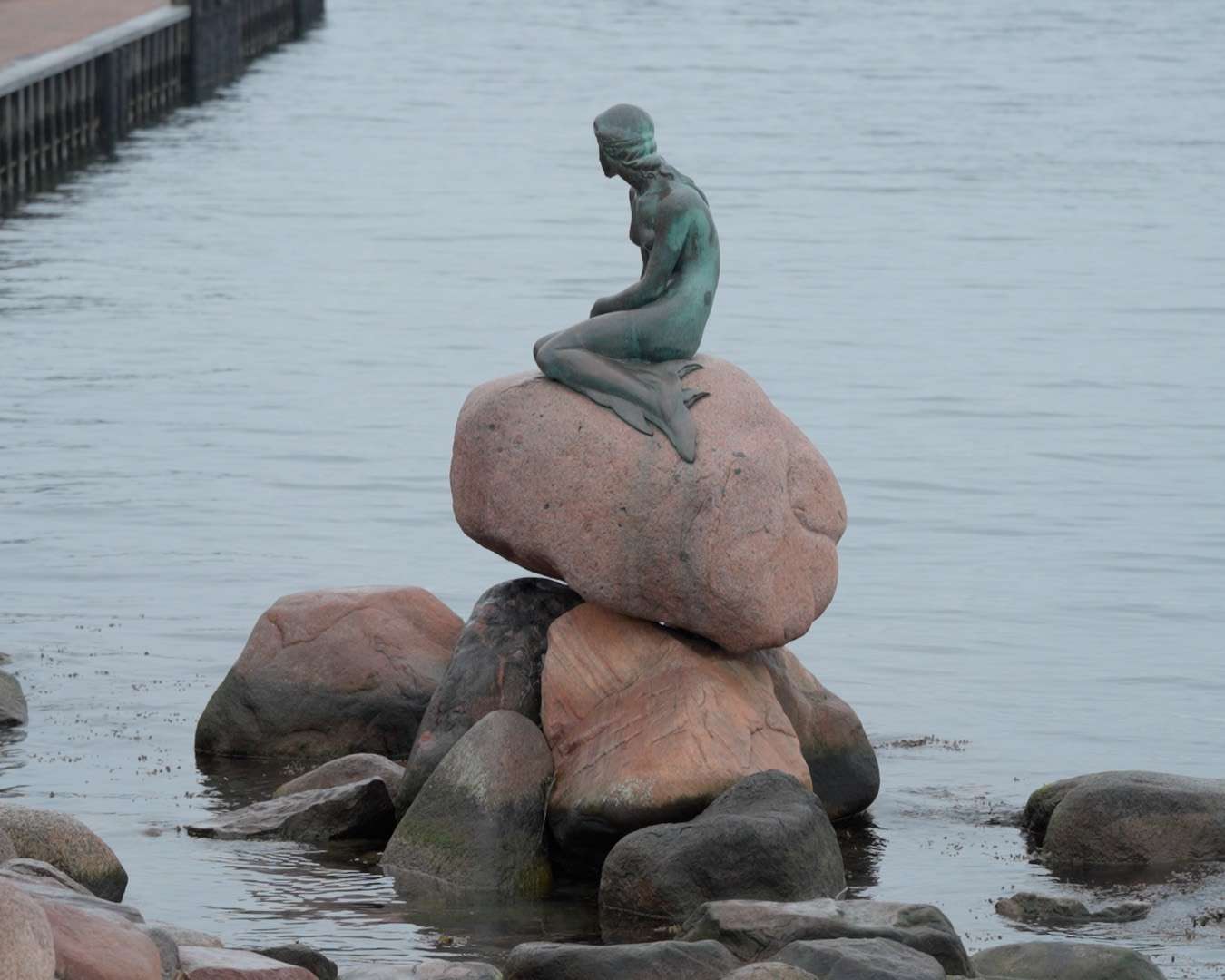
Edvard Eriksen’s bronze was unveiled in 1913, commissioned by the brewer Carl Jacobsen after Hans Christian Andersen’s tale. She is smaller than nearly everyone expects, and she sits on a rock a single step from the promenade at Langelinie — which is why the photograph almost everybody takes is the same photograph.
Two things help. Go early: before the first coaches arrive the rock is usually clear, and from Nordre Toldbod that is a ten-minute walk. And work the side angle rather than the front. From the front she is a statue with a crowd behind her. From the side and slightly below, with open water behind, she reads as a figure looking out to sea, which is the whole idea of her.
Amalienborg and the changing of the guard at noon
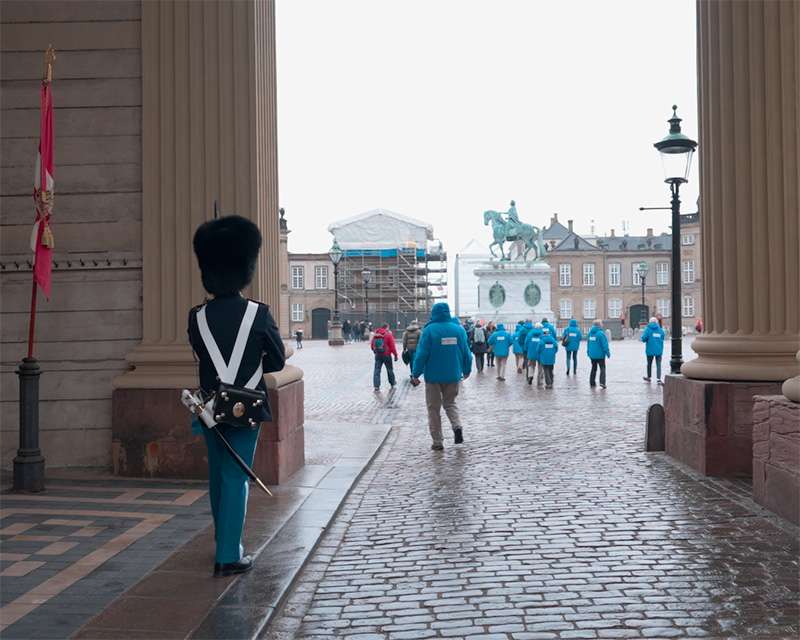
Walking back south, the palace square is about ten minutes from the Little Mermaid. Four identical palaces, built between 1750 and 1760 to Nicolai Eigtved’s design and finished by Lauritz de Thurah after Eigtved died in 1754. They were not built for the royal family: they went up for four noble families, who were given the land free of charge in exchange for building to the prescribed façades. The royal family moved in only in December 1794, after Christiansborg burned down.
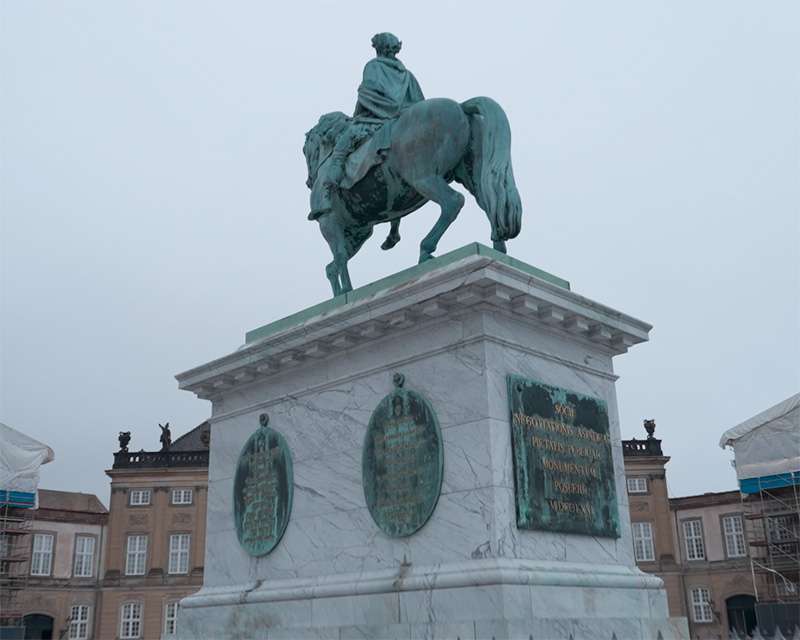
In the middle of the square stands Jacques Saly’s equestrian statue of Frederik V, unveiled in 1771 — five years after the king it commemorates had died.
The guard changes daily at 12:00. The Royal Life Guard marches from its barracks at Gothersgade 100, by Rosenborg, and the ceremony on the square runs roughly from 11:45 to 12:15. Since January 2024 the flag is collected at Frederik VIII’s Palace, where King Frederik X lives, before the sentries are relieved across the square. Watching costs nothing; visitors are asked to stand in the marked green areas and keep about 1.5 metres clear of the buildings.
Our own tour walked through the square without waiting for it. On your own you can simply be there at 11:50. It is the one fixed appointment in the city’s day, and from either of the two inner quays it is a short walk.
Nyhavn: where the tours end
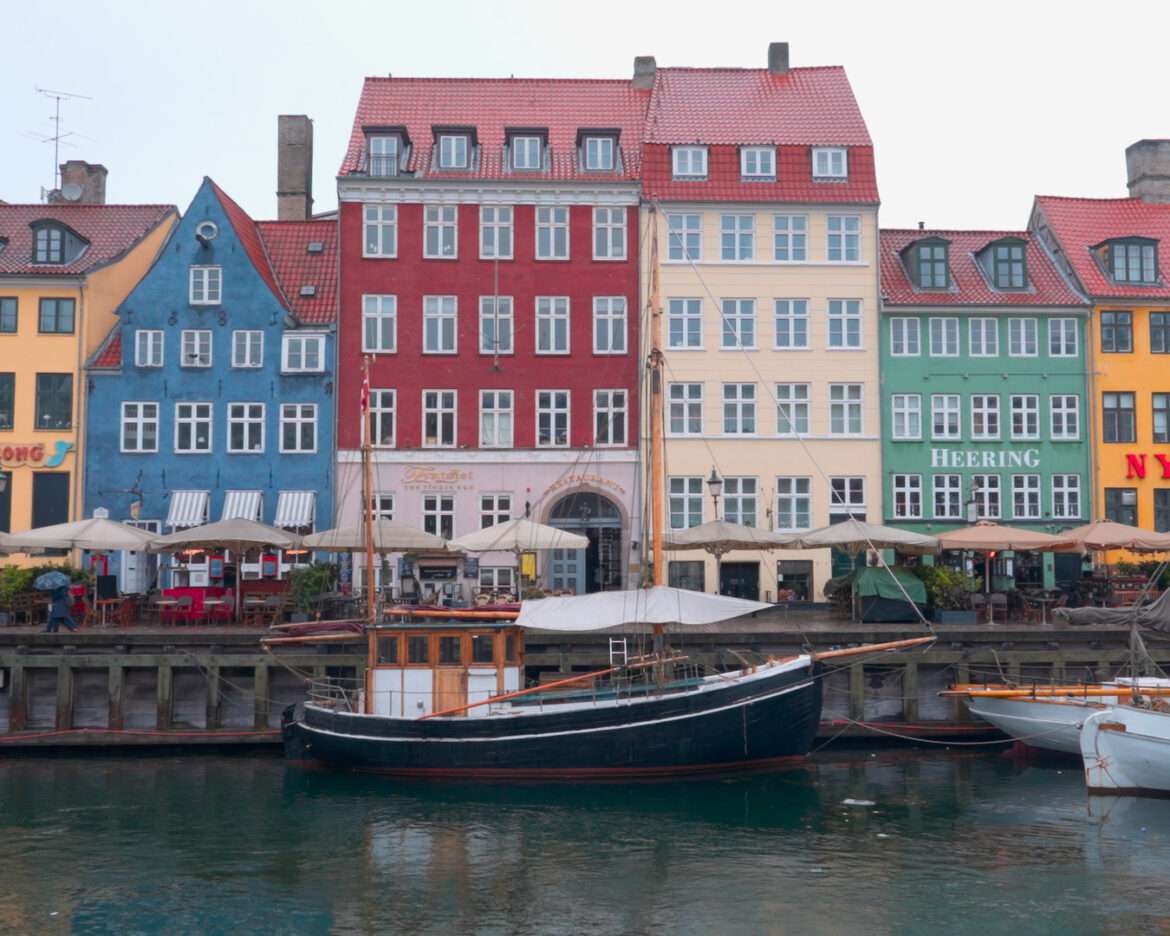
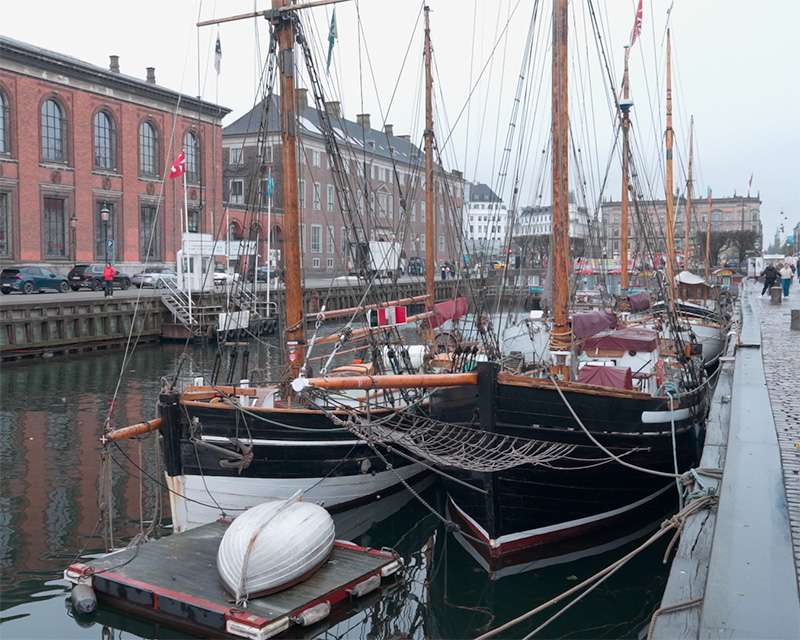
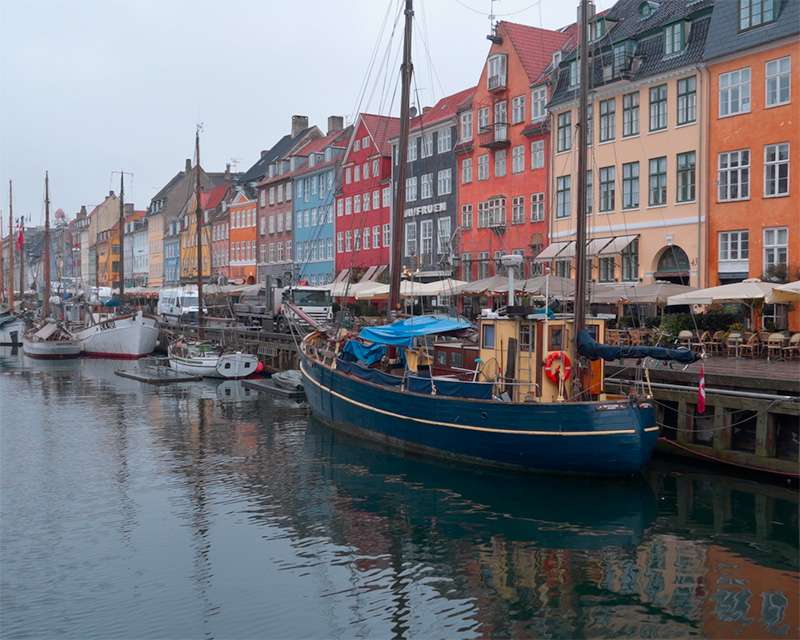
Ours ended here, as most of them do. The canal was dug from 1670 under Christian V by Danish soldiers and Swedish prisoners of war, to bring cargo and fish up to Kongens Nytorv at its head; the house at No. 9 dates from 1681. Andersen lived on the canal twice, at No. 67 from 1845 to 1864 and at No. 18 from 1871 to 1875. What was once a sailors’ quarter is now the most photographed hundred metres in Denmark.
The colour that sells the postcards is on the north side, which holds the light for most of the day, and the wooden ships along the quay make the better foreground. It is also the most expensive place in Copenhagen to sit down. A coffee two streets inland costs about half as much, and the canal is still a minute away.
What a day in Copenhagen costs in 2026
| Item | Price 2026 | Note |
|---|---|---|
| Canal tour, Netto-Bådene (1 h) | DKK 80 | From Nyhavn ved Heibergsgade; season March to October |
| Canal tour, Stromma classic (1 h) | DKK 169 | DKK 135 booked online at least three days ahead, from Ved Stranden |
| Two-zone transport ticket | DKK 24 | Needed from Oceankaj; not needed from Langelinie or Nordre Toldbod |
| Christiansborg tower | free | Lift to 106 m; check the day’s hours before walking over |
| Changing of the guard, Amalienborg | free | Daily at 12:00, outdoors on the square |
Prices checked in September 2026 against the operators’ own pages and the city’s tourist board. Palace interiors and museums cost extra and are the part most shore days have no time for.
Tour or on your own?
From Nordre Toldbod or Langelinie, a ship’s excursion buys you a guide and a pre-booked boat and not much more — the distances are too short to need a coach. From Oceankaj the sum looks different: you are about four kilometres out, and an organised tour removes the bus-and-metro leg at both ends. Our own excursion was a boat plus a walk, and both halves can be bought separately on the day for less money.
Our own call ran from 08:00 to about 18:00 — some nine hours ashore once the usual half hour before departure is taken off. That is more than the route above needs. The walk with a canal tour fills half a day; on a call of that length the Christiansborg tower (lift from 11:00) and one palace interior or museum fit on top of it without crowding anything.
Whatever you choose, plan the way back properly. From Oceankaj, 45 to 60 minutes before all-aboard is right. From the inner quays, count the walk — 20 to 25 minutes from Nyhavn — and add half an hour to that. The centre is compact, but the metro runs to a timetable you do not control, and the way back takes longer than the map suggests.
Photo spots and light
The best stretch of the day was not one of the sights but the walk between them: the quayside running south from Nordre Toldbod, past the Maersk headquarters. The harbour basin lies open on one side, and across the water on Holmen stands the Opera House — a very modern building, paid for by the A.P. Møller Foundation and opened in 2005, set on the axis that runs from the Marble Church through Amalienborg and straight over the harbour. From the ship it is a quarter of an hour along that line to the palace square, and ten minutes the other way to the Mermaid. Walk both and you pass the best viewpoint in the city twice.
The mermaid from the side, early, is the one shot worth planning for. At Amalienborg, stand at a corner of the square rather than in the middle: from there the statue of Frederik V has a palace façade behind it instead of empty sky. At Nyhavn the full row of house fronts only works from the head of the canal, near Kongens Nytorv. And the low seat in the canal boat is itself a viewpoint — the bridges and quay walls pass at eye level, which is not a perspective you can get on foot.
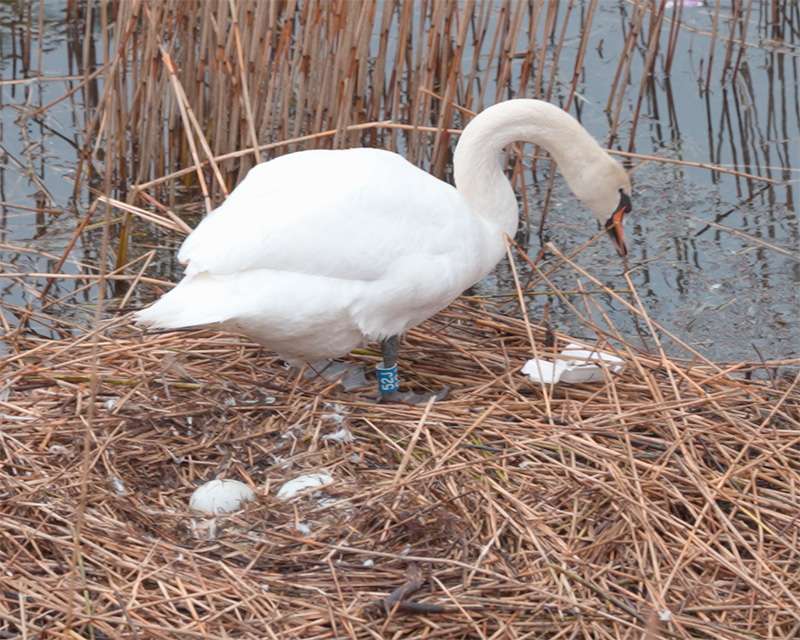
Our day in early April was hazy with spells of rain, and the photographs show it: soft light, no shadows, the far bank going pale. That suits the painted houses at Nyhavn and flattens everything that depends on depth. The trees were still bare, and a swan was sitting on its nest at the water’s edge, which is the sort of thing an April call gives you and a July one does not. On a day like that the umbrella belongs in the bag, not in the cabin.
Tips before you go
Check which quay you are on before you plan anything. It is printed in the daily programme, and it decides whether you need a transport ticket at all.
Do the water first, the walk second. The canal boats fill up as the morning goes on, and the walking route back from Nyhavn passes everything else anyway.
Take the tower if the sky is clear. Christiansborg’s 106 metres are free and five minutes from the canal-tour landing at Ved Stranden — but the lift opens late morning, so it fits an afternoon call better than an early one.
Carry a few coins or a card for a public toilet. The stretch from Langelinie to Amalienborg has very few, and the ones at the Little Mermaid draw the same queue as the statue.
Take an umbrella. The route is almost all open waterfront. Between the Little Mermaid and Amalienborg there is nothing to shelter under when a shower comes through.
Related: Stockholm Cruise Port on Your Own · Malmö and Lund in One Day · Cruise Ports on Your Own · More from Denmark