
Vigo is one of the easiest ports in Spain to walk out of and one of the hardest to walk around. The terminal opens directly onto the seafront, the old town starts ten minutes away — and then the ground goes up. My own loop on 2 November 2026 came to 7.7 km with 141 m of ascent, an hour and forty minutes of walking before photo stops. Most of that climb is optional. Vigo has built public escalators to take it off you, and they are free.
What exactly are the Vigo escalators?
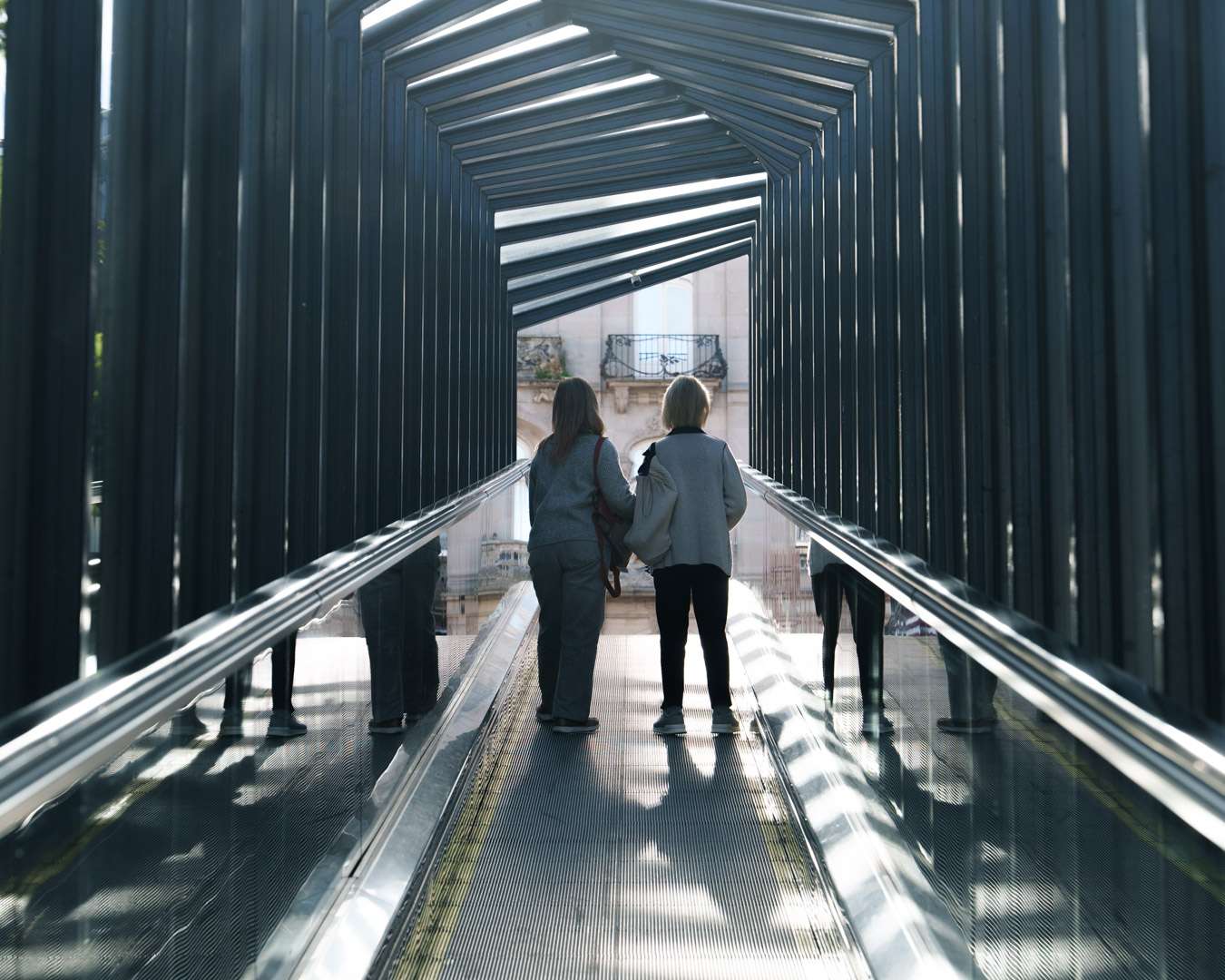
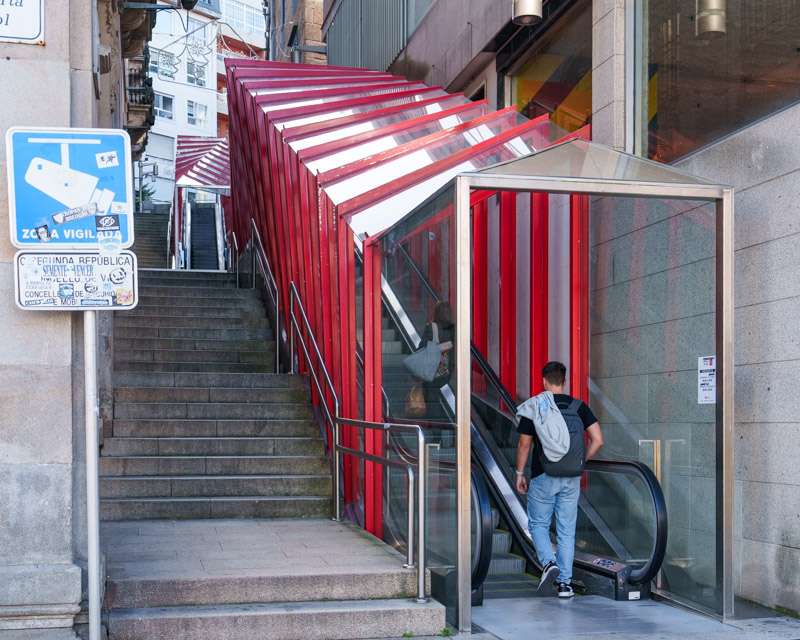
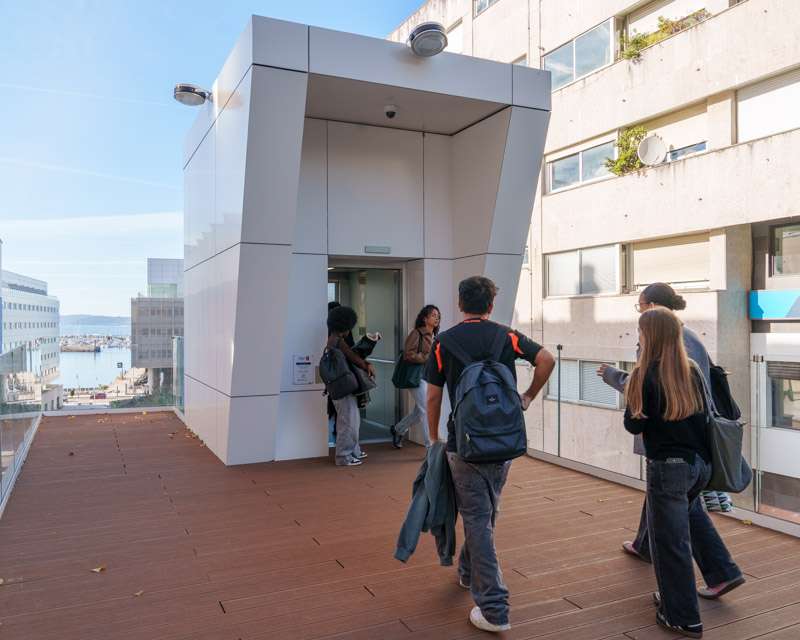
They are a municipal programme called Vigo Vertical: a growing network of outdoor escalators, covered moving walkways and public lifts connecting the waterfront to the neighbourhoods on the slope, with further ramps being built towards O Castro. You walk on, you ride up, you walk off. No ticket, no attendant, no queue outside the rush hour.
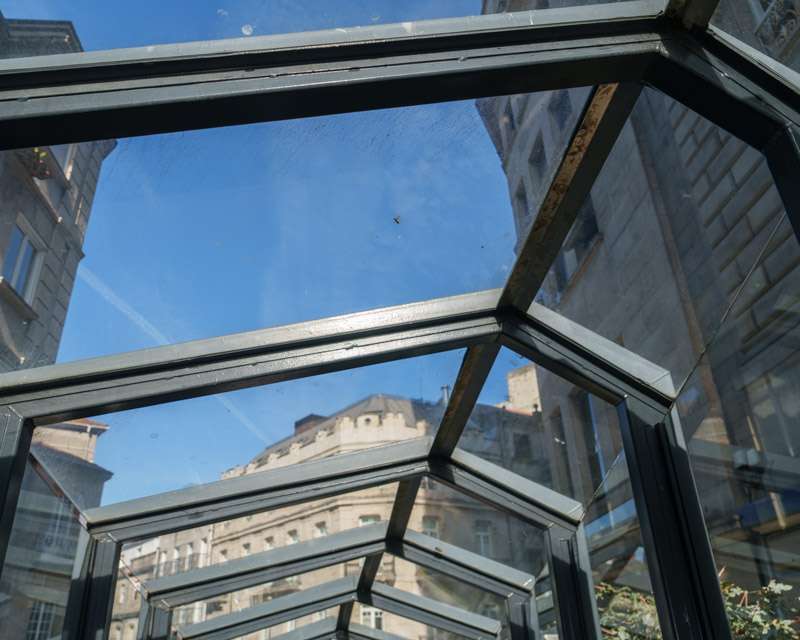
They are also the most distinctive thing to photograph in the city: red steel frames over a staircase, a glazed tunnel climbing a hillside, a louvred roof cutting daylight into stripes over a walkway. A city that built over its own topography.
Where does the ship tie up?
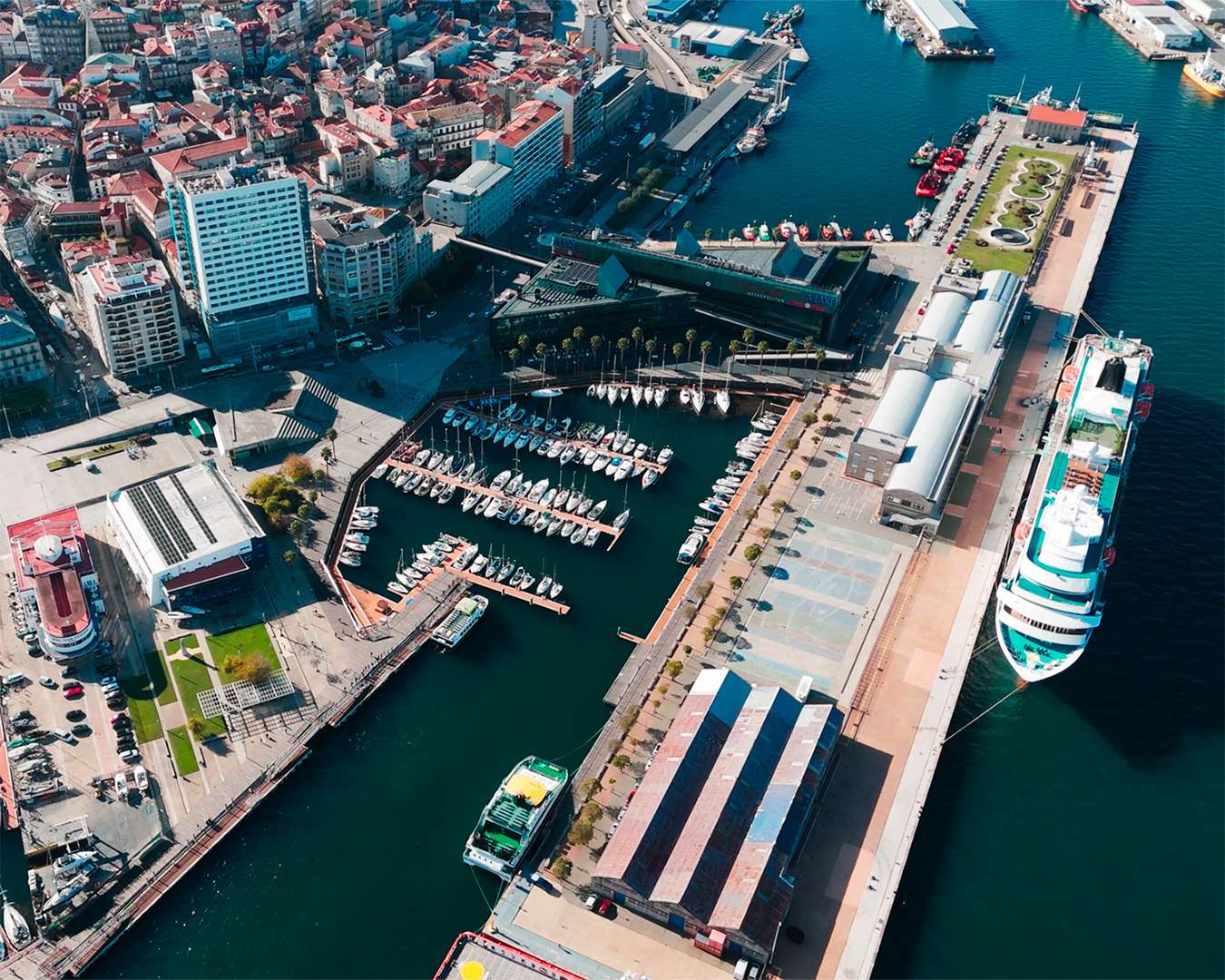
At the Muelle de Trasatlánticos; the terminal building is the Estación Marítima, Rúa Cánovas del Castillo 5. The marina and the ría ferry station are immediately to your left as you come out, and the Casco Vello — the granite old town — begins about ten to fifteen minutes ahead on foot. There is no port gate to clear and no shuttle to wait for.
Is Monte do Castro worth the one climb you should make?
Yes. This is the part worth doing on your legs. The path starts at Praza do Rei and is signposted, with stair shortcuts across the bends. At the top are the remains of a seventeenth-century fort and the foundations of the Celtic hill settlement that gave the city its name.
The view takes in the whole ría: the shipyards and the fishing fleet, the Rande bridge to the east, Cangas on the far shore and, in clear weather, the Cíes islands at the mouth. Your own ship sits below like a model.
A warning about the oysters on a Monday
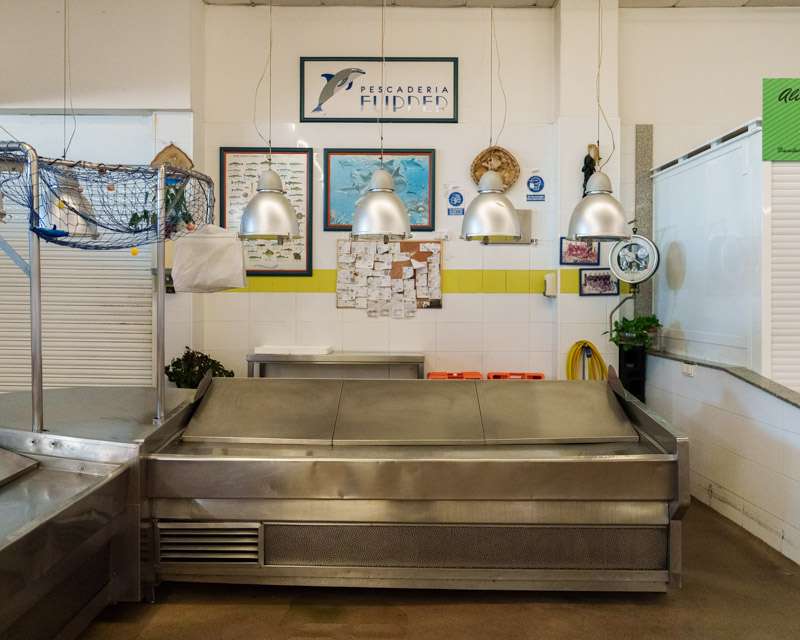
Vigo’s signature scene is Rúa da Pescadería by the Mercado da Pedra, where women shuck oysters on granite counters and sell them by the dozen, mostly for cash. Hours are usually given as Monday to Saturday, 10:00 to 20:00, and a dozen has recently run at roughly €15–18.
On Monday 2 November 2026 there was none of it. Empty counters, an empty market hall, no fish and no oysters. I cannot prove it happens every Monday — the fleet does not land over the weekend, which is the obvious explanation — but if the oyster stalls are why you came, do not plan them for a Monday.
What the ship’s excursions cost — and when they are worth it
Five excursions were offered for this call (prices as published in June 2026, per person):
- Vigo panoramic drive, about 1.5 hrs — €35
- Baiona panoramic drive, about 3 hrs — €39
- Santiago de Compostela with free time, about 6–6.5 hrs with lunchbox — €49
- Pilgrim path, a 4 km walk into Santiago, about 6 hrs — €49
- Combarro and wine, about 4 hrs — €69
The panoramic drive is the one to think twice about: €35 for ninety minutes by coach through a city whose centre begins a ten-minute walk from the terminal. What it adds that walking does not are the bateas, the mussel rafts out in the ría, and the Rande bridge of 1981. Worth paying for if those are what you came for; otherwise, walk.
Santiago is the real decision. €49 for six hours, with an hour and a half on the coach each way. The alternative is the train from Vigo Urzáiz: 55 minutes on the fastest service, from around €8 booked ahead. But there are only about four to five trains a day, the station is a good kilometre uphill from the terminal, and missing the return is a problem no tour guide solves for you. What the coach really sells is not transport but the guarantee of being back on time. With a call from 11:00 to 20:00 that trade is arguable; on a shorter call it is not.
The Cíes islands appear in no November programme, correctly: the scheduled boats run only in Easter week and from 15 May to 15 September.
The cheapest view of the city: the Cangas ferry
The local ferry across the ría leaves from the Estación de Ría, next door to the cruise terminal. A single is €2.45 on the standard fare. It gives you Vigo from the water — the city stacked up its slope, with the yards and the fleet in front of it. The November timetable is not reliably legible online; ask at the counter and work your return against all-aboard before you step on.
What the light does here in November
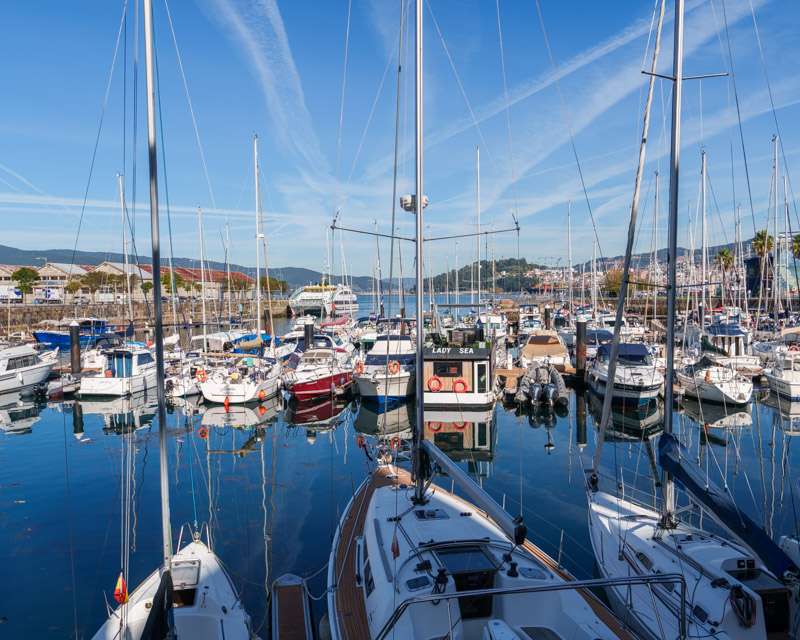
On 2 November 2026 the sun rose at 08:09 and set at 18:27, with the golden hour starting around 17:48. High water was 09:30 (2.93 m), low water 16:21 (0.93 m), so the fishing harbour shows its quay walls and ladders in the afternoon. If your ship stays until 20:00, the best light of the day is still ashore — unusual, and worth planning around.
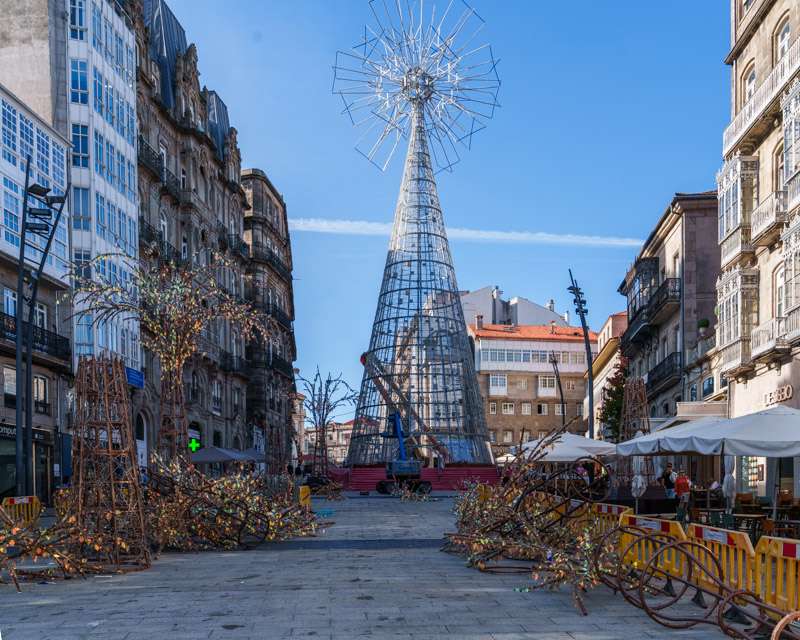
Early November also catches the city mid-assembly. Vigo switches on its Christmas lights in mid-November — twelve million LEDs across some 500 streets, and a tree of over 44 metres on Porta do Sol — and two weeks beforehand the frame of that tree already stands in the middle of the street behind barriers, with unlit arches strung over the lanes in daylight.
The loop, in short
Left out of the terminal to the marina, west along the seafront to the fishing harbour and back. Up through the Casco Vello to Praza da Igrexa and its olive tree — the reason Vigo is called the ciudad olívica — then the Concatedral de Santa María. From Praza do Rei up to Monte do Castro. Back down over Porta do Sol and the pedestrian Rúa do Príncipe, then the escalators to the water.
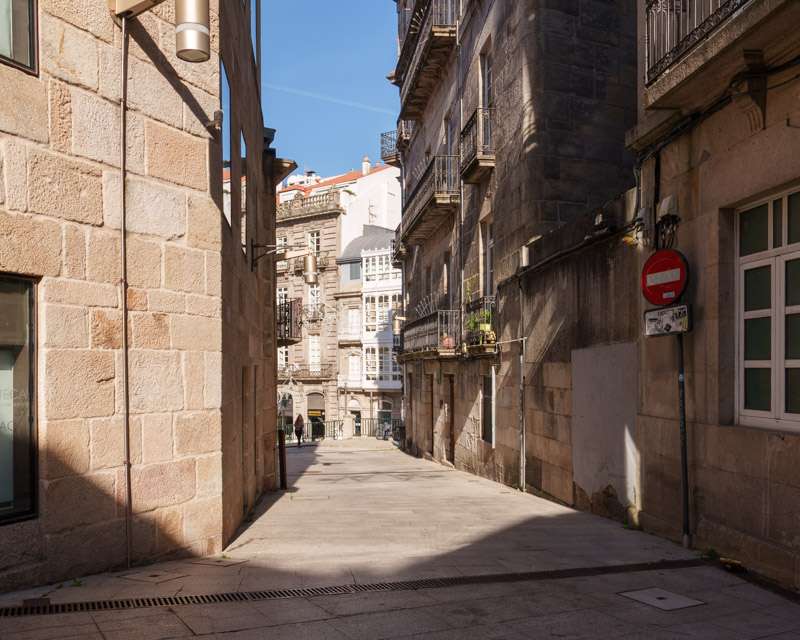
7.7 km, 141 m of ascent, half a day with stops. Go ashore early and the old town is almost empty for the first hour, with long shadows down the granite lanes.
Visited: November 2026, from MS Amadea, alongside 11:00 to 20:00. All photographs taken on the day described.
More from Galicia: Vilagarcía de Arousa Cruise Port on Your Own · Santiago de Compostela and A Coruña · Leixões Cruise Port on Your Own