
Visited: the morning of 24 September 2026, on a shore excursion from MS Amadea in Plymouth.
Totnes and Buckfast Abbey are two stops on the same river, about ten kilometres apart, and both fit into a single day ashore from Plymouth. Ships anchor in Plymouth Sound; our tender took around fifteen minutes to the Barbican landing stage. From there it is about half an hour by road to Totnes, or 25 minutes by direct train. Entry to Buckfast Abbey is free, and so is the car park.
Totnes and Buckfast Abbey at a glance
- Where: on the River Dart in South Devon, along the eastern edge of Dartmoor
- From Plymouth: about 30 minutes by coach to Totnes, or 25–27 minutes by direct train; Totnes to Buckfast Abbey is 6.5 miles (10 km), 11 minutes by car and about 20 by coach
- Time needed: an hour for the centre of Totnes, up to two for the abbey; that is a half day and it is not a generous one
- Highlights: the Norman shell keep of Totnes Castle, the Butterwalk arcade, the Guildhall of 1553, and an abbey church the monks built with their own hands between 1907 and 1937
- Good to know: Buckfast Abbey charges nothing for entry or parking; the abbey church is open 6.30–18.00, the shops 10.00–16.30 daily (official opening times). Totnes market fills Civic Square on Fridays and Saturdays, 9.00–15.00
Where does the ship dock in Plymouth?
It depends on the ship. Millbay Docks takes vessels under 215 metres alongside at West Wharf, and smaller ships under 120 metres at Trinity Pier. Everything larger anchors in the sheltered water of Plymouth Sound, inside the breakwater, and tenders in to the Barbican landing stage. Plymouth quotes an eight-minute tender run; ours took about fifteen.
The landing is a good one. You step out into the Barbican, the old harbour quarter with more than two hundred listed buildings, five to ten minutes’ walk from Plymouth Hoe. The Mayflower Steps, where the Pilgrims left for America in 1620, are in sight of the pontoon, and Francis Drake sailed from this same water. If you only have a few hours and have never seen Plymouth, that is a perfectly good day and it costs nothing.
Totnes and Buckfast Abbey are the argument for going inland instead.
How do you get from Plymouth to Totnes?
By train it is straightforward: 25 to 27 minutes, direct, with Great Western Railway and CrossCountry between them running well over an hourly service, and advance fares from about £5. Totnes station sits a short walk from the town centre. By road it is roughly 24 miles and half an hour; our coach took about that.
From Totnes to Buckfast Abbey is 6.5 miles. Eleven minutes, the map says; our coach took twenty, which is the more useful number if you are planning a day around it. On public transport the 88 bus runs from Station Road to Dart Bridge in Buckfastleigh in around 25 minutes, and the abbey is a walk from there. Plymouth to the abbey direct is 23 miles, about half an hour.
Our own day, for what it is worth as a template: thirty minutes out to Totnes, an hour there, twenty minutes across to the abbey, close to two hours at Buckfast, thirty-five minutes back to Plymouth. Under five hours door to door, and the abbey took the larger half of it — which is the opposite of how the excursion sheet reads.
Doing both on your own in a tender port is possible but tight, and it is the tender that decides it, not the train. Plan to be back at the Barbican landing stage 45 to 60 minutes before all-aboard, and remember that a freshening wind in the Sound can slow the tenders down or stop them.
What to see in Totnes in an hour
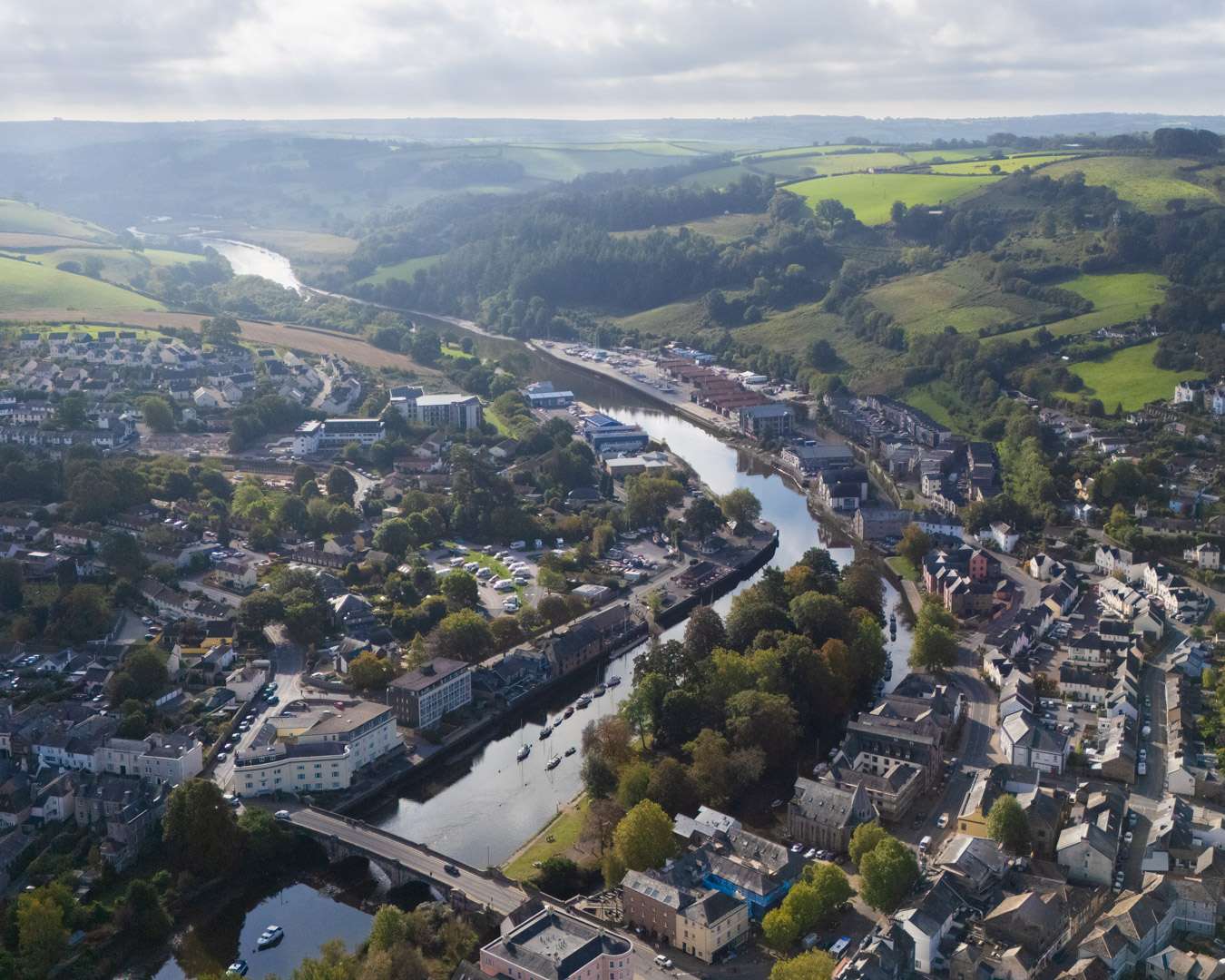
Totnes stands at the head of navigation on the Dart — the furthest point a seagoing boat can reach. That is the whole reason it is here. Wool cloth went out down this river, and tin came down off Dartmoor to be shipped from the same quays. By the sixteenth century the town was among the wealthiest in England.
Totnes Castle
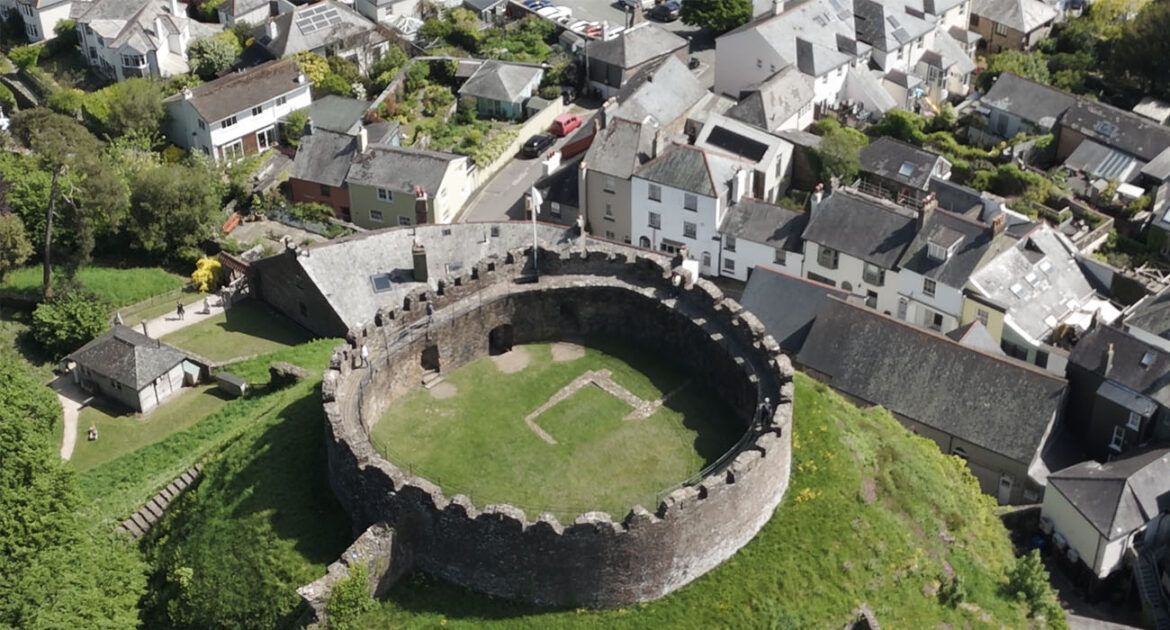
Judhael of Brittany, a supporter of William the Conqueror, raised the first castle here around 1087: a conical earth mound with a timber watchtower inside a palisade, and a walled bailey on the flat ground below. The circular stone shell keep that survives went up in the 1320s, built by William, 1st Lord Zouche, when the older structure was failing.
What is remarkable about Totnes Castle is what never happened to it. English Heritage puts it plainly: the castle saw no sieges and no battles. It collected rents and held prisoners, fell into disrepair through the fifteenth century, and was recorded as uninhabitable by 1538. It is an English Heritage property today, with paid entry and free admission for members; check the seasonal hours before you climb up.
The Butterwalk and the Guildhall
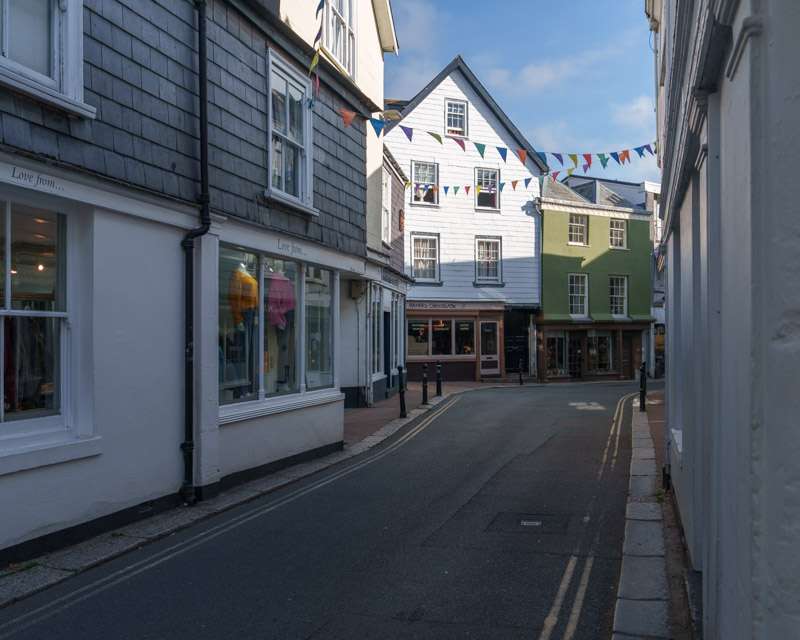
Walk the High Street and you pass under the Butterwalk, a covered pavement arcade built in Tudor times to keep the weather off the dairy stalls beneath it. The houses above belonged to the town’s merchants; the shelter was, in effect, a market roof paid for by private money.
Totnes Guildhall was built in 1553 on the ruins of the medieval priory that Henry VIII had dissolved, and has served as court, prison and meeting place ever since. Further along, the East Gate arch spans the street — once the gateway into the walled town, faithfully rebuilt after a fire destroyed it in 1990.
Which days is Totnes market on?
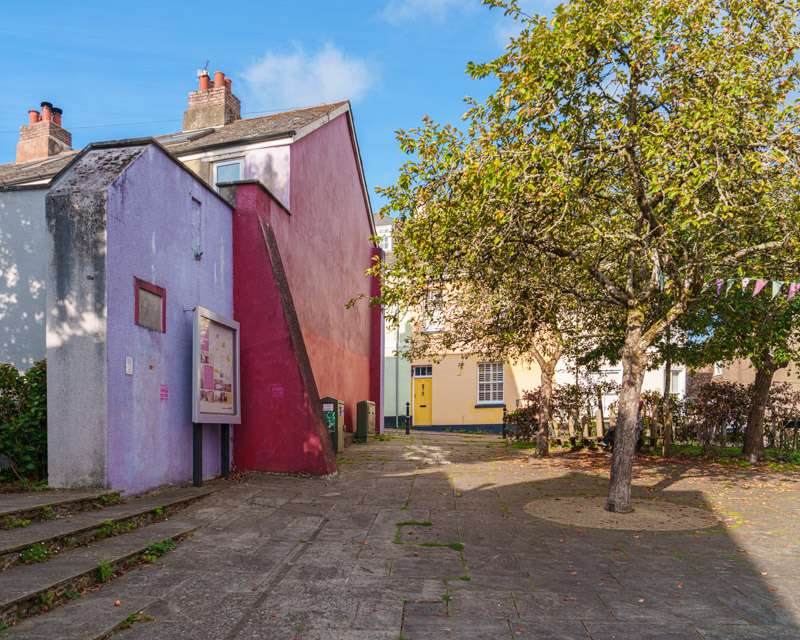
The main market runs in Civic Square on Fridays and Saturdays, 9.00 to 15.00, all year: food stalls, vegetables, bread, meat from local farms, vintage and curios. From May to September there is also an Elizabethan Market on Tuesdays, a charity market whose stallholders dress the part, and an indoor artisan market on the second Tuesday of the month from April to November. The third Sunday brings a food and craft market. We came on a Thursday and saw the square empty.
Totnes, the first Transition Town
The money moved on long ago. What stayed is a town that did not accept it. In 2006 Totnes declared itself the first Transition Town in the world — a community setting out to take its own food and energy supply back into local hands. For a while it even had its own currency; the Totnes Pound circulated until it was wound up in 2019. The independent shops along Fore Street and the High Street are the visible half of the same instinct.
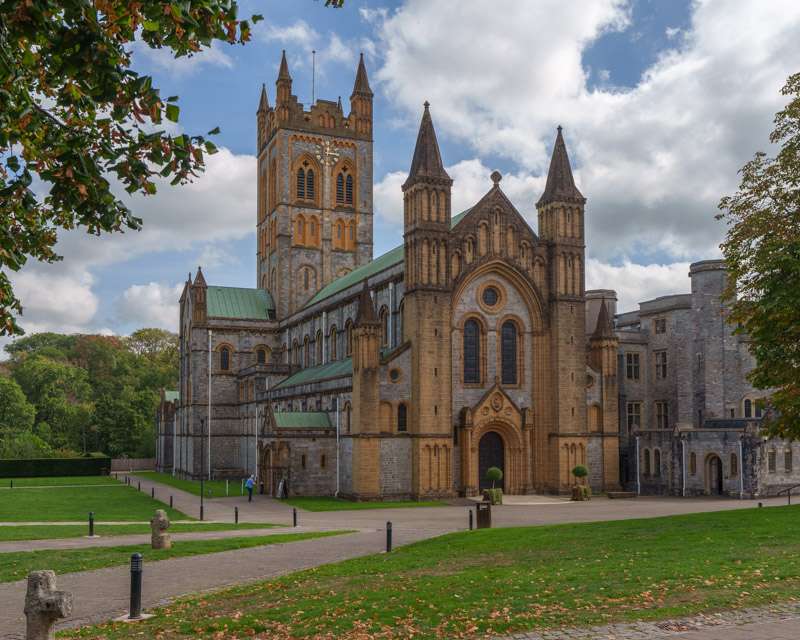
Buckfast Abbey: a church six monks built by hand
Thirty-two years of work. Never more than six monks on site at any one time, normally four. One of them trained as a stonemason and directed the rest. They started with five pounds in the funds.
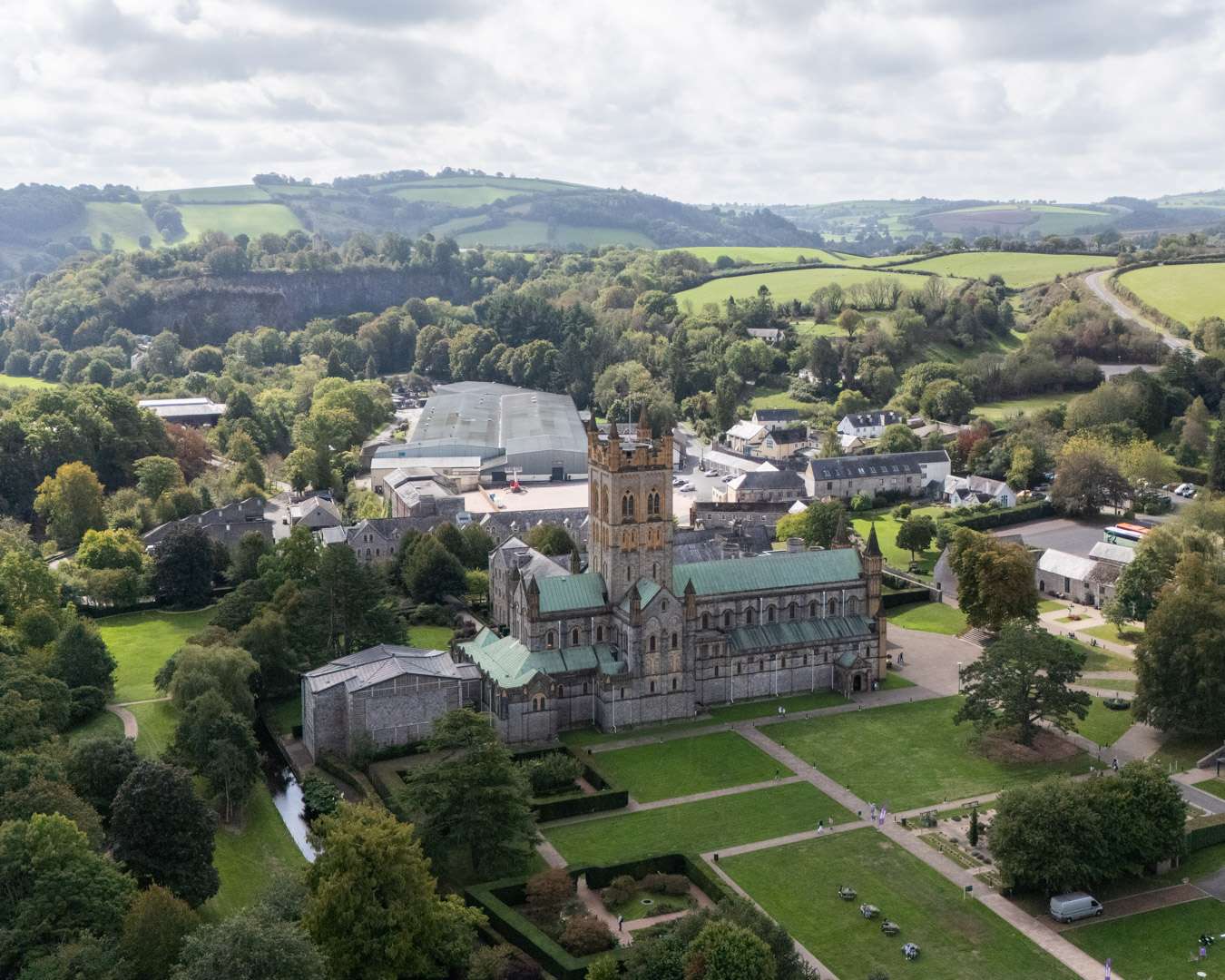
Upstream from Totnes, a monastery has stood at Buckfast since 1018. It moved to its present position in the 1130s, joined the Cistercians in 1147, and grew rich on the same commodity that built Totnes: wool. By the fourteenth century it was one of the wealthiest houses in the south-west.
The last abbot surrendered it on 25 February 1539. Ten monks were left. The buildings were stripped, the lead melted down, the furniture auctioned, and the site was left to decay for more than two and a half centuries. In 1800 Samuel Berry bought it, cleared most of the rubble and put up a mansion house around 1806 — keeping the medieval Abbot’s Tower and the twelfth-century undercroft, and flattening the rest.
So when six French Benedictine monks arrived on 28 October 1882, exiled from La Pierre-qui-Vire and by way of a temporary shelter outside Dublin, they did not buy an empty field. They bought a Georgian country house with the bones of a medieval abbey attached to it.
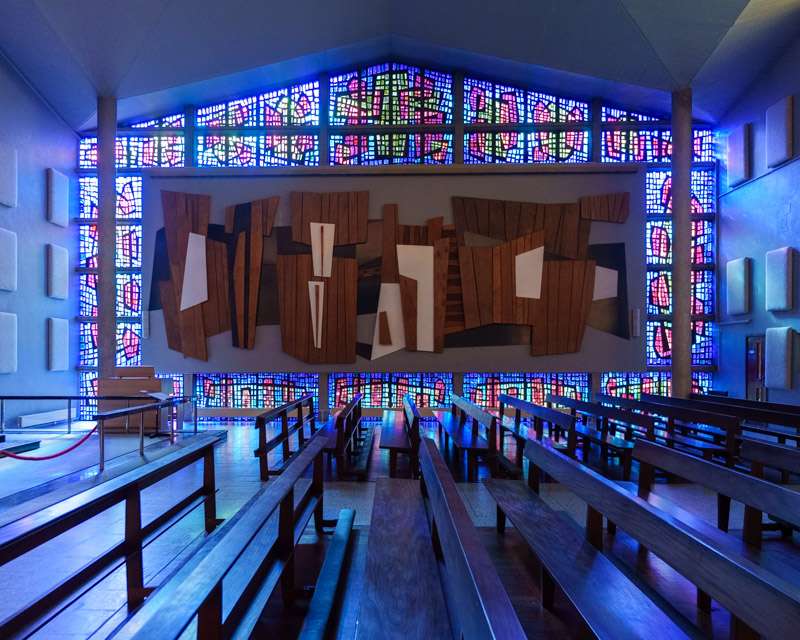
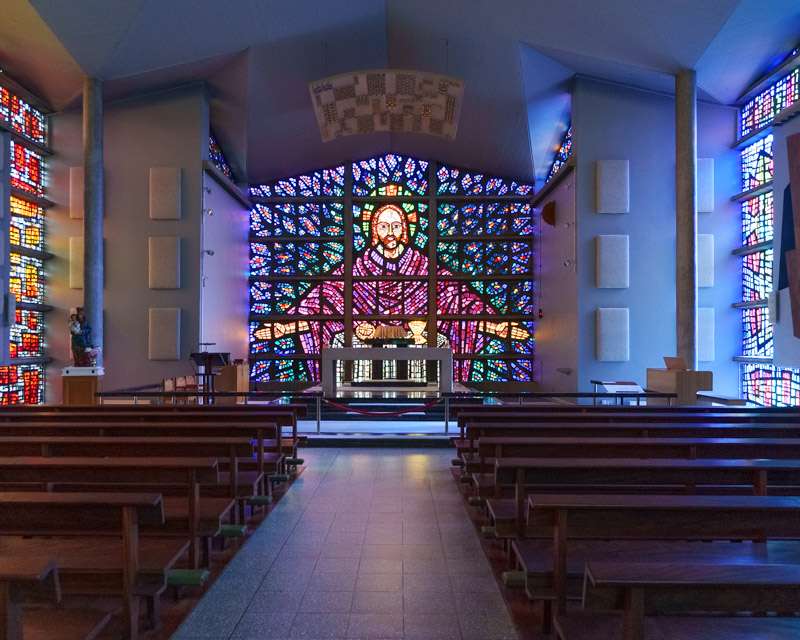
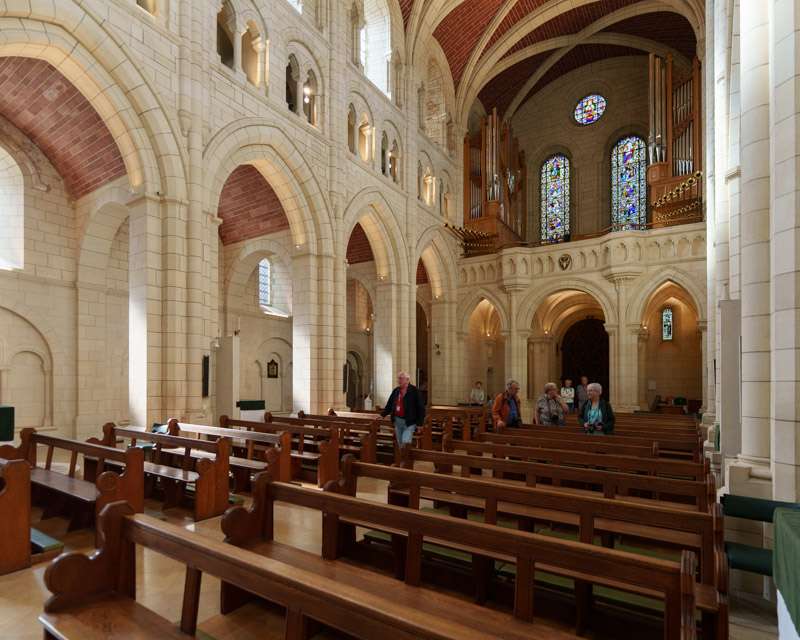
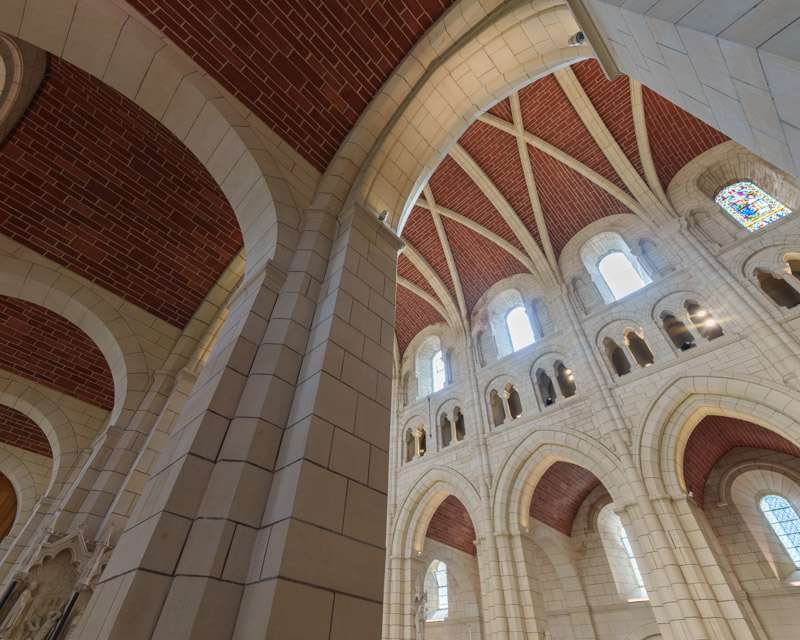
In 1907 they began to rebuild the church on the medieval foundations they had uncovered. While funds were low the monks cut and dressed every stone themselves. The church was consecrated on 25 August 1932, still unfinished; the last stone was laid on the tower on 24 July 1937.
Brother Adam and the Buckfast bee
One of those monks had arrived from Germany as a boy. Karl Kehrle was born on 3 August 1898 in Mittelbiberach in Württemberg and sent to Buckfast at the age of eleven, for his health. In religion he took the name Adam.
In 1916 the Isle of Wight disease reached the abbey’s apiary and killed 30 of its 46 colonies. On 1 September 1919 Brother Adam was put in charge of what was left. From the survivors he bred the Buckfast bee — productive, gentle, resistant to the parasite that had wiped out the rest. It is kept by beekeepers worldwide today.
He died at Buckfast on 1 September 1996, aged 98. Seventy-seven years to the day after he took over the bees.
What does a day in Totnes and Buckfast Abbey cost?
| Item | 2026 | Note |
|---|---|---|
| Buckfast Abbey entry | Free | Donations welcome; parking free |
| Abbey Church | Open 6.30–18.00 | Closed to visitors during services, and reopens for evening worship |
| Abbey shops | 10.00–16.30 daily | Honey, tonic wine, books, plants |
| Totnes Castle | English Heritage, paid entry | Free to members; seasonal hours, check before you go |
| Train Plymouth–Totnes | from about £5 one way | 25–27 minutes, direct, several trains an hour |
| Bus 88, Totnes–Dart Bridge | a few pounds | About 25 minutes; the abbey is a walk from the stop |
Abbey times as published by Buckfast Abbey in September 2026; rail times and fares from Great Western Railway and CrossCountry timetables for the same month.
Photographing Totnes and Buckfast Abbey
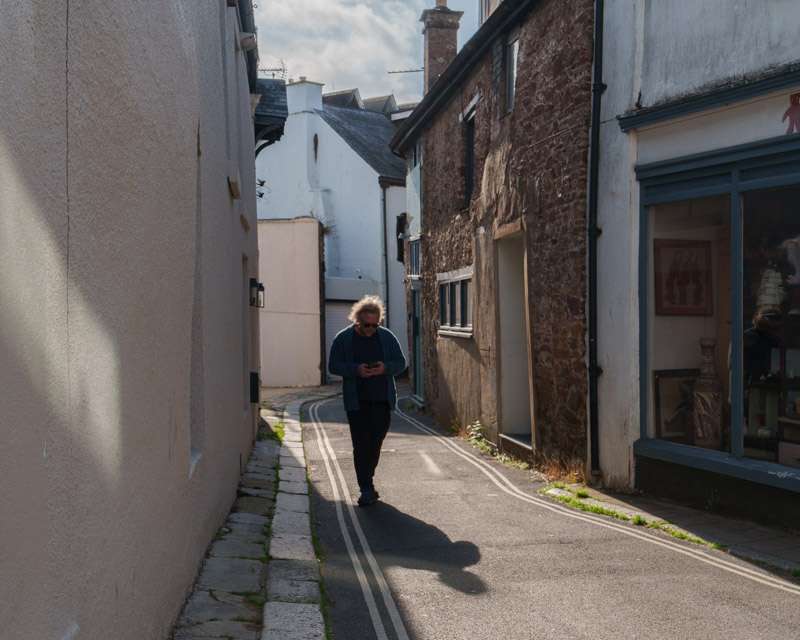
We were in Totnes early in the morning, and that was the making of it. The sun was still low enough to throw long shadows down the narrow streets, and there were few people about, which makes photographing a working town far easier than it is at eleven o’clock. There was also almost no wind — the condition you want for the drone, and not one you can count on this close to the Channel coast. If you fly here, check the local rules first: Totnes is a town, and the castle is a managed heritage site.
Inside the abbey church the problem is contrast rather than light. Tall windows, a long dim nave, and a bright Devon morning outside: come straight in from the sun and neither your eyes nor your camera will be ready for a minute.
What I would do differently
An hour in Totnes is enough to do one thing properly, not two. The High Street with the Butterwalk and the Guildhall, or the climb to the castle keep — at a walking pace it is a choice, and the keep is the only high viewpoint over the roofs. Next time I would go up first and walk down through the town.
And if the day is yours to pick, make it a Friday or a Saturday. The market is what the square was built for.
Is it worth leaving Plymouth for?
Yes, if you would rather see how the money was made than where it was spent. Plymouth gives you the Hoe, the Barbican and the Mayflower Steps within ten minutes of the tender, free, and that is a fair day out. Totnes and Buckfast Abbey give you two places on one river that both grew rich on wool and both lost it, and two very different answers to losing it: a town that reinvented itself as the first Transition Town, and a community of monks who spent thirty-two years rebuilding their church by hand.
Dartmoor proper — the open moor, the tors, the ponies — is a third trip, and it needs the whole day.
Tips for Totnes and Buckfast Abbey
Count the tender twice. Fifteen minutes out and fifteen back is half an hour of your day before the coach moves, and weather in the Sound can add to it.
Check the abbey’s service times if the church is your reason for coming; it closes to general visitors while worship is on.
Leave room in the bag. The abbey shops sell the monks’ honey and the tonic wine, and people do not tend to walk out empty-handed.
Totnes is built on a hill. The castle is a climb, the High Street is a slope, and an hour goes faster than it reads on the excursion sheet.
Two towns, one river, one commodity
Wool built both of them. Totnes shipped it; Buckfast grazed it. The dissolution took the abbey, and the Industrial Revolution took the cloth trade north.
One of them answered by printing its own money. The other spent thirty-two years laying stone.
Related: All cruise ports on your own · England travel articles · Buckler’s Hard from Portsmouth · Rye from Dover · St Mary’s, Isles of Scilly
Written by Jan Madeus — ship’s videographer at sea since 2008. I go ashore in the same ports as the passengers, with the same few hours and the same deadline. More about me.