
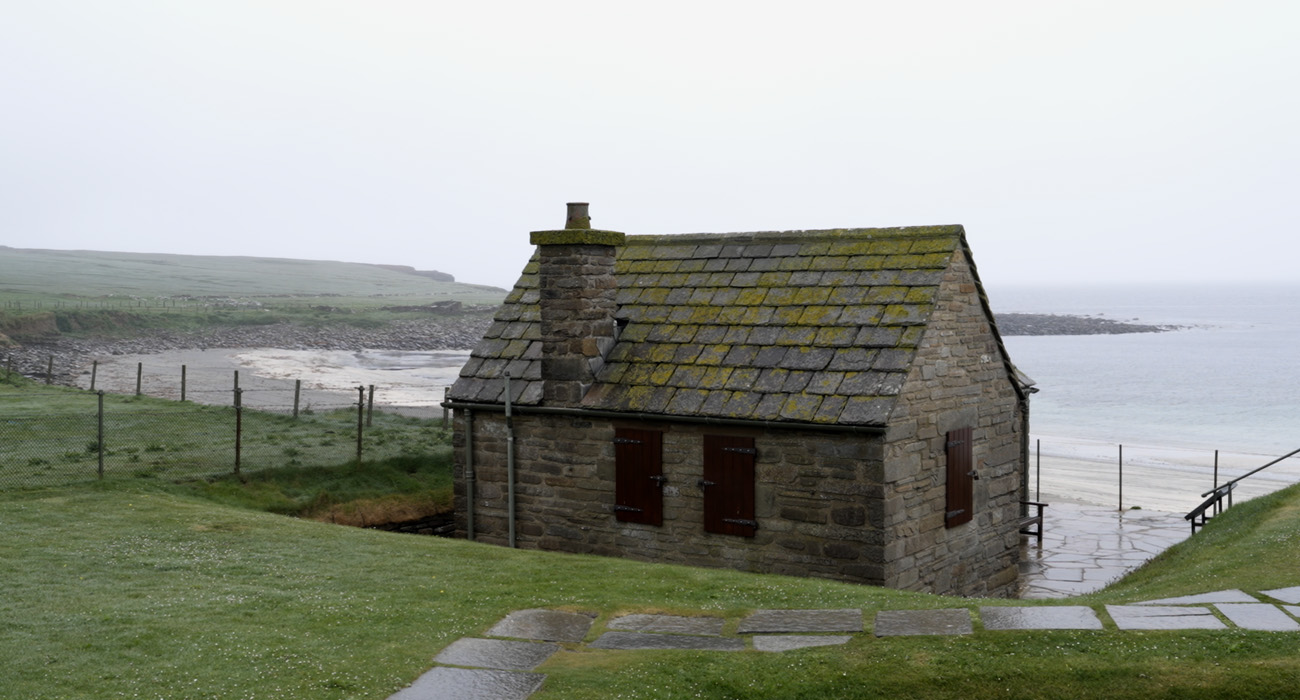
Our voyage took us to the remote and windswept Orkney Islands, where we docked in Kirkwall—gateway to one of the most remarkable prehistoric landscapes in Europe. From here, we set off to explore Skara Brae, a site that offers an extraordinary glimpse into Neolithic life more than 5,000 years ago.
Stones of Stenness: a mysterious monument
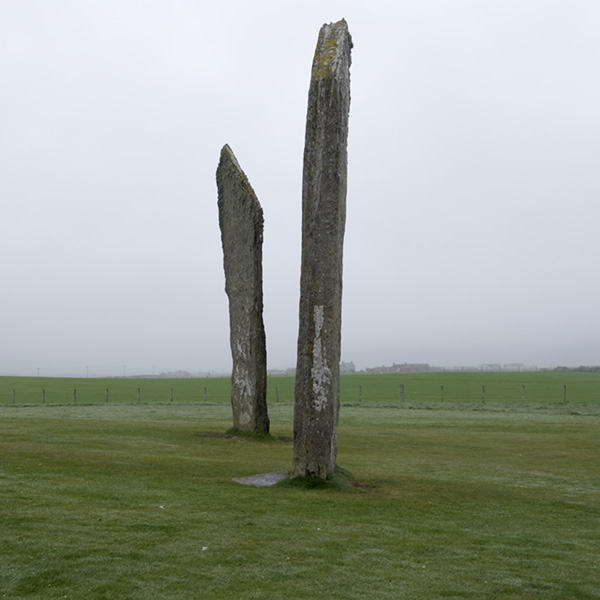
Before reaching Skara Brae, we made a brief stop at the Stones of Stenness, one of the oldest known stone circles in the British Isles. Erected around 3100 BC, this ancient ceremonial site originally comprised up to thirteen massive sandstone monoliths, of which four remain standing today. With some stones reaching six meters in height, the scale and age of this site evoke a powerful sense of awe. Archaeologists believe it was part of a larger ritual complex that includes the nearby Ring of Brodgar and the Ness of Brodgar.
Skara Brae: Europe’s best-preserved Neolithic village
Located near the shores of the Bay of Skaill, Skara Brae remained hidden for millennia beneath layers of sand until a violent storm in 1850 revealed parts of this ancient village. What emerged was a near-complete Neolithic settlement, remarkably preserved by the elements.
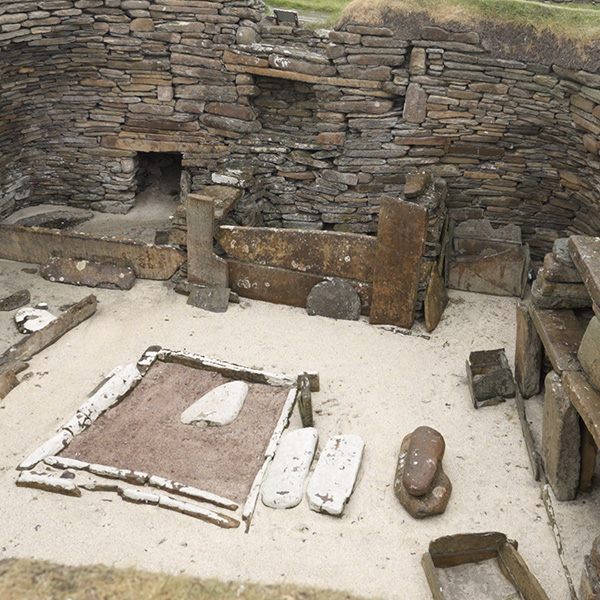
Believed to have been inhabited between 3100 and 2500 BC, Skara Brae consists of eight interconnected stone houses. These dwellings still contain original furnishings carved from stone—bed frames, shelves, fireplaces—all offering an intimate look at daily life in prehistoric times. Artifacts such as bone tools, beads, pottery, and even gaming pieces have been uncovered here, painting a vivid picture of a community that was both practical and creative.
Skaill House: Orkney’s historic manor
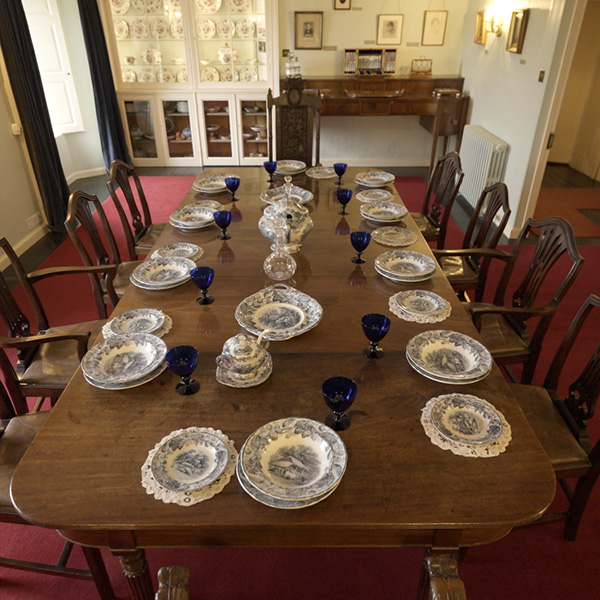
Just a short walk from Skara Brae is Skaill House, a 17th-century mansion built by Bishop George Graham. Over the centuries, the manor has welcomed nobility, scholars, and even wartime evacuees. Today, the house operates as a museum, where visitors can tour preserved rooms filled with antique furniture, family heirlooms, and archaeological displays that link the house to Skara Brae.
A glimpse into Scapa Flow
On the return journey, we passed Scapa Flow, a vast natural harbor with strategic importance during both World Wars. It served as the main base for the British Royal Navy and was the site of the scuttling of the German fleet in 1919—a defining moment in maritime history.
Practical tips for visiting Skara Brae and the Orkney Mainland
Getting there
Kirkwall is the main hub for Orkney. Cruise passengers usually dock here — our guide to Kirkwall cruise port on your own covers buses, ticket prices and timings in detail — while others can fly in from major Scottish cities or take a ferry from the mainland. Without a car, the Stagecoach 8S and X1 both stop at the Skara Brae visitor centre; the ride from Kirkwall takes 50–65 minutes each way, which makes the site a five- to six-hour undertaking door to door from the pier.
When to visit
Late spring through early autumn offers the best weather and longer daylight hours. However, Orkney’s weather can be unpredictable—bring layers and waterproof clothing.
Opening hours and tickets
Skara Brae and Skaill House share a joint ticket, around £12.50 for adults, and entry runs on pre-booked timed slots. Skaill House is open from April to October; Skara Brae itself keeps shorter hours in winter. On cruise days the walk-up slots are regularly gone by midday, so book on the Historic Environment Scotland website before you sail rather than on the morning. Allow two hours for the village and the house together. Price checked August 2026 — verify the current rate and the winter timetable before you travel.
Accommodation
Stay in Kirkwall or Stromness for easy access to nearby archaeological sites. Options range from cozy B&Bs to boutique hotels.
Where to eat
Try local Orkney specialties like seafood chowder, hand-dived scallops, and farmhouse cheeses. The café at Skara Brae offers light refreshments and great views.
What to pack
Sturdy walking shoes, a rain jacket, and a camera are essential. If you’re a history enthusiast, a guidebook or audio tour app will enrich your visit.
Visiting Skara Brae is more than a step back in time—it’s a rare chance to walk through a village untouched by centuries of change. Combined with the standing stones and the story-rich Skaill House, this journey across the Orkney Mainland is an unforgettable immersion into Europe’s deep past.
Ports on this route — the British Isles: Ullapool, Inverness and Loch Ness · Kirkwall on your own · Kirkwall and the Ring of Brodgar · Invergordon on your own · Cawdor Castle from Invergordon · Aberdeen and Crathes Castle · All cruise ports on your own
Written by Jan Madeus — ship’s videographer at sea since 2008. I go ashore in the same ports as the passengers, with the same few hours and the same deadline. More about me.